In the sixties, PIA was a miracle with wings. They said it was one of the best airlines in the world. Maybe even better than Pan Am. Everyone smiled like they were in a commercial, especially Momie Durrani, the air hostess who was called “the face of Pakistan.” Imagine carrying a whole country on your cheekbones.
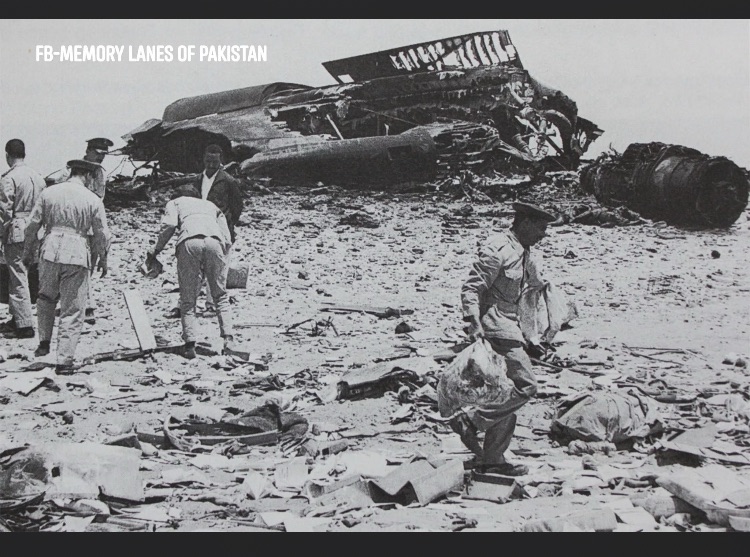
May 20, 1965. PK-705 took off from Karachi for London. Cairo was just supposed to be a cigarette break in the middle of history. The Boeing 720 carried journalists, foreigners, and dreams too heavy for the metal to hold.
The pilot whispered something about the flaps, like a lover confessing he couldn’t get it up. Then the plane scraped the ground before the runway, like it was impatient to die. Fire ran along the wing like gossip and in seconds everyone was inside a burning mouth.
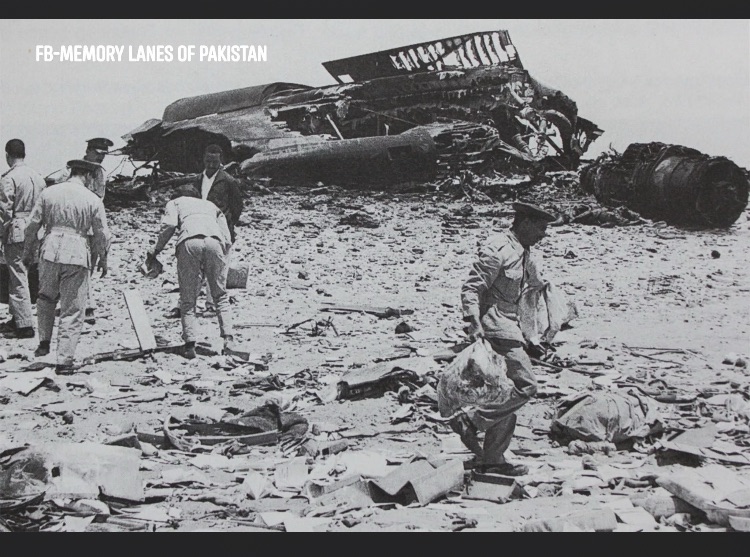
Only six survived. The rest turned into ash, bones, and headlines.
One of the survivors, Shaukat Mecklai, said it was his 23rd honeymoon with his wife, Bano. She was in first class, he was back in economy. When the fire came, it didn’t care about the tickets. He woke up shouting his own name. Not hers, not God’s—just his own. A bleeding boy dragged him out. Around him, the luggage looked more alive than the passengers. Suitcases lay in the sand like stranded animals, some still locked, some spilling secrets: shoes, perfume, baby clothes.
Then came the people. Survivors thought they were rescuers. They weren’t. They ran toward the flames shouting “Allahu Akbar,” and instead of lifting the dying, they lifted Samsonite. A woman tried to drag her husband’s body out, but the strangers tugged a leather briefcase from her hands and left her screaming.
Rescue took five hours. By then, the loudest cries had already gone silent.
When Shaukat returned to Karachi, people kissed his hands, called him a miracle, clapped like he’d scored a goal. He smiled the way a stone might smile if you painted a mouth on it. He raised his three children alone, lived to ninety-five, and every year, on the anniversary of the crash, he lit a candle for Bano and wondered whether the boy who saved him had lived, or whether he’d burned in someone else’s story.
PK-705 still lies buried in Cairo’s soil. The dead whisper in the sand, and sometimes, if you listen closely, you can hear the zippers of suitcases opening and closing on their own.
 2 Minute Worlds
Leave a comment