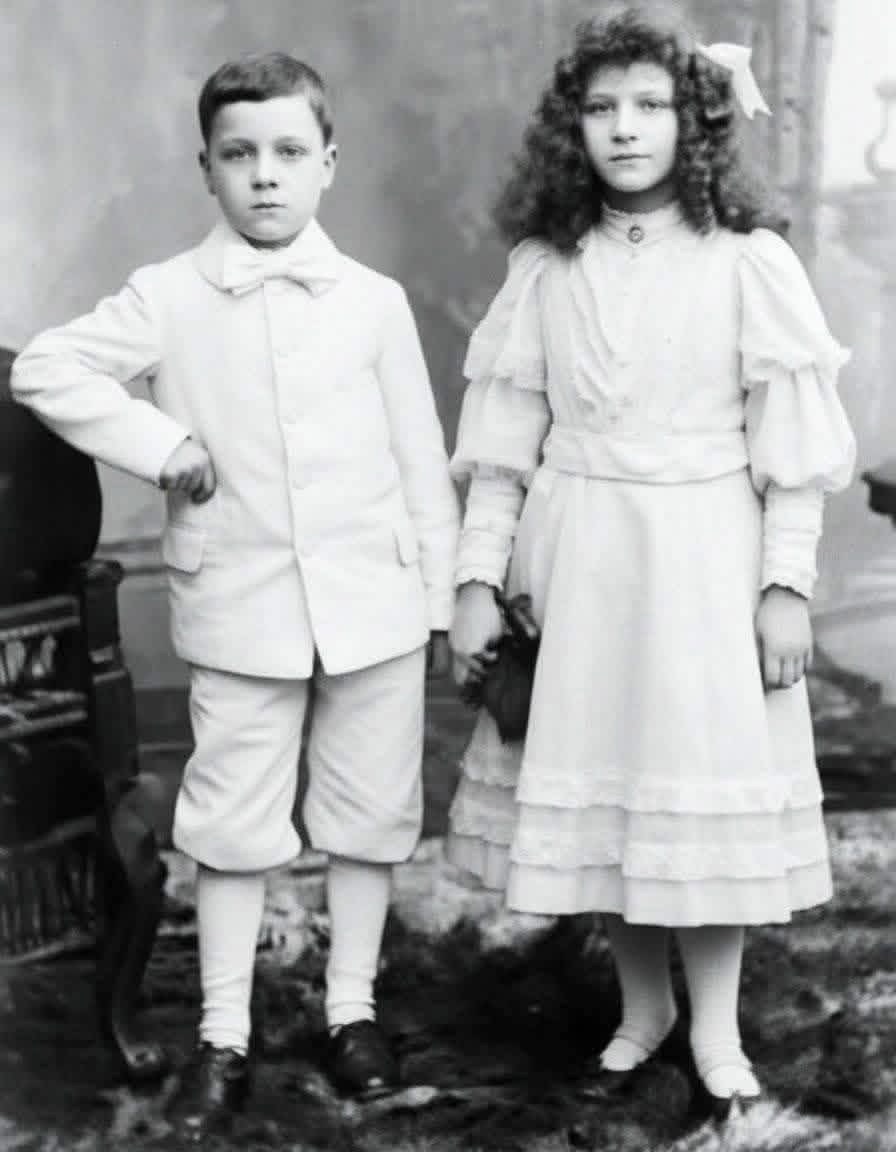
In 1881, Rose was twelve and Thomas was eight when the universe pulled the floor out from under them. Their parents were gone, and the orphanage had a strategic plan that involved separating the siblings into “different facilities,” which was a fancy way of saying: you two don’t get to stay together.
Rose and Thomas didn’t buy the proposal. They executed a counter-strategy. They escaped. And they ended up in a small, cold cave near Nevada City, a space so dark it felt like someone had turned the world’s brightness setting to zero.
The cave had no equipment, no KPIs, no safety nets. Just two kids learning in real time how to survive. They figured out which berries wouldn’t kill them. How to catch rabbits that didn’t want to be caught. How to collect discarded vegetables behind shops without looking like they were stealing hope.
No support channels, no community outreach, no cavalry inbound. So they aligned on one core operational principle: trust the world as little as necessary and trust each other as much as possible.
Then came one October night colder than an apology that arrives too late. Four hungry wolves appeared at the mouth of the cave, their eyes glowing with a kind of quarterly-deadline intensity. Rose tried lighting a fire but the wood was wet, and every failure felt like a countdown. Finally a tiny spark committed to the mission and turned into a flame.
But the wolves didn’t budge.
Thomas, terrified but running on pure sibling-loyalty adrenaline, grabbed a burning branch and screamed. Not a normal scream. More like he was emptying a lifetime of grief into one long sound. Rose stood right beside him, holding her own flaming branch like it was a promotion she hadn’t asked for but was determined to earn.
Two kids.
Minimal resources.
Maximum resolve.
They shouted, waved the burning wood, refused to back down. Eventually the wolves retreated into the trees, frustrated stakeholders abandoning the negotiation.
Rose and Thomas collapsed to the ground, shaking, crying, breathing like they had just run out of the world’s oxygen quota. But they were alive. And they stayed alive through that winter, and the next, and the next.
Years later, a baker’s wife hired Rose. Rose agreed on one condition: Thomas comes too. The woman approved the proposal, and the two siblings worked with quiet endurance until they’d saved enough to open their own little bakery.
Their business model was simple: feed anyone life had treated unfairly. They knew the cost of pain, and they refused to charge others for it.
The cave still exists.
The burn marks from their fire still sit on the stone. Their initials are still scratched into the wall, silent data points of courage. Travelers walk by and wonder who once lived there.
They’ll never know the full story.
How two children wrote a survival manual powered by love, resilience, and zero adult supervision.
Rose and Thomas learned early that sometimes no one shows up to rescue you. Sometimes you become your own rescue team. And that single insight became the foundation of their entire lives.
 2 Minute Worlds
Leave a comment