A Journey Across Time, Space, and the Human Quest for Origins
From today onward begins a narrative that belongs to all of us. It’s the story of our past, our present, and the horizon ahead. It stretches from a time when there was nothing at all to the eventual moment when nothing will remain between the skies and the earth and everything woven between them. Stars, planets, the sun, time, and the complex tapestry we simply call the universe.
We start a journey today — one designed to unlock the architecture of existence. Who created it? What is hidden inside it? What unfolded on the tiny blue sphere we call home? And what is still scripted for the future?
Our journey begins 14 billion years ago. But why 14 billion?
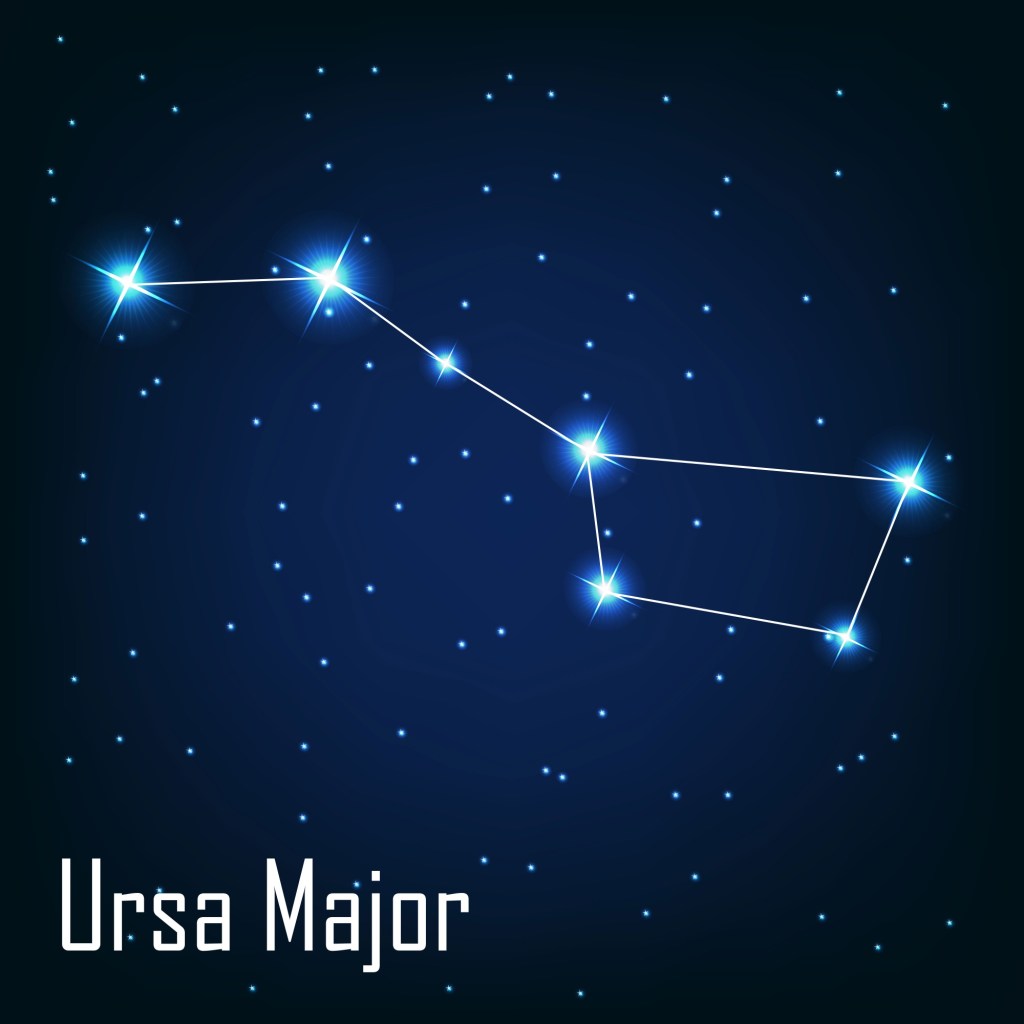
If you have ever watched the night sky and noticed the constellation of seven stars known globally as Ursa Major, or in Arabic and Urdu Dubbe Akbar,
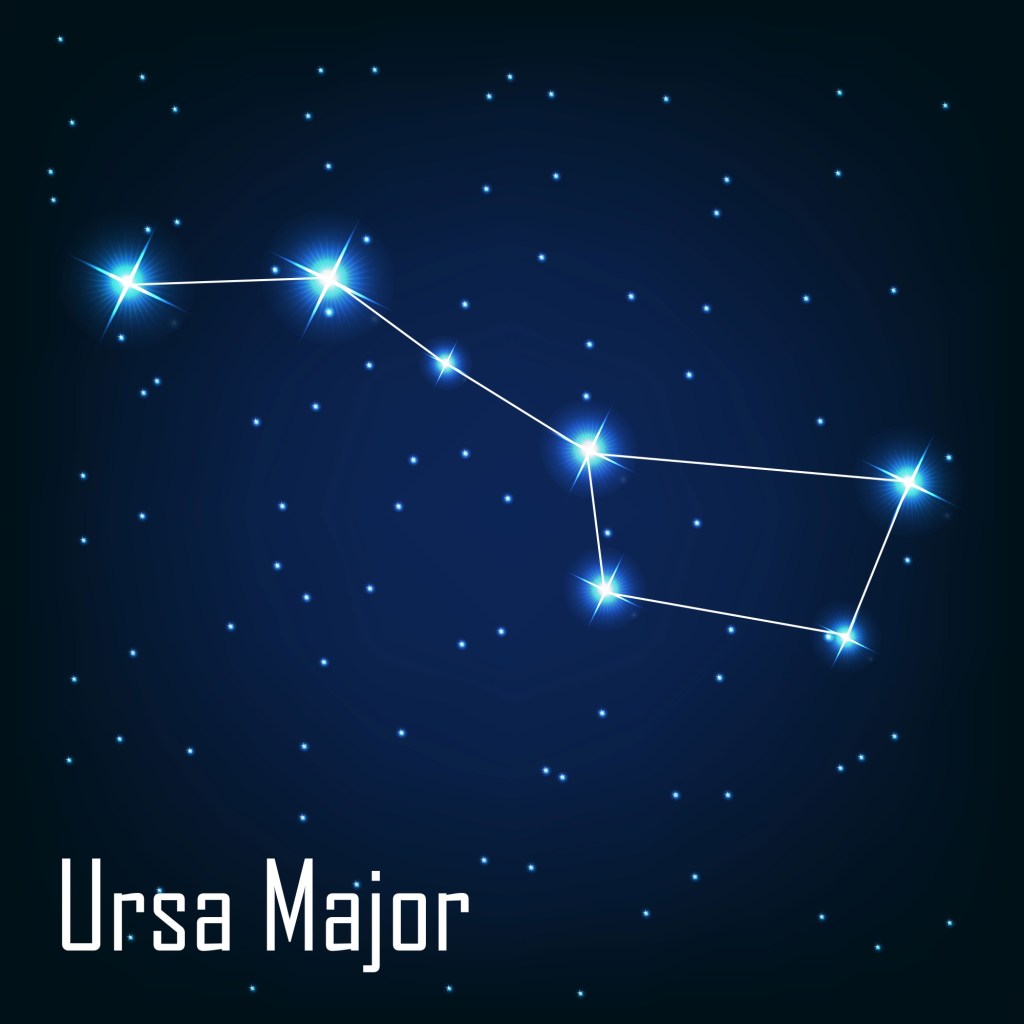
you have already glimpsed a marker of cosmic scale. In Pakistan, this constellation appears almost every clear night. And if human eyes were powerful enough to match the world’s strongest telescopes, you would notice a faint red blot just above its central star…
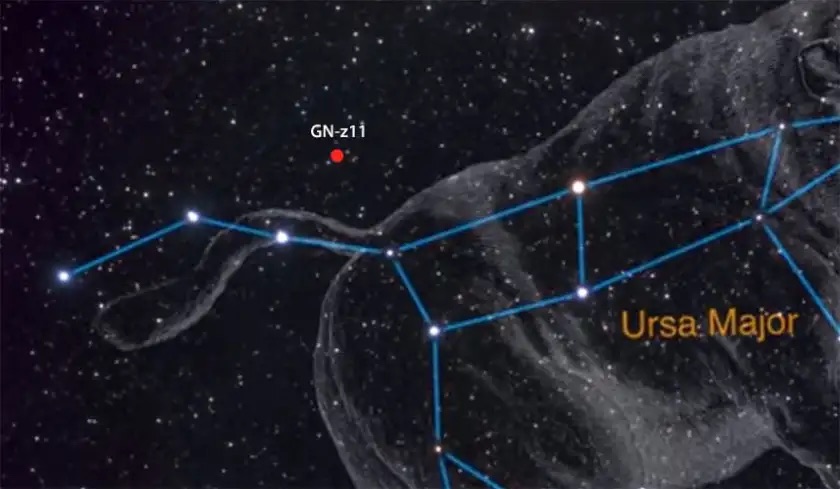
A tiny red patch hiding trillions of stars.
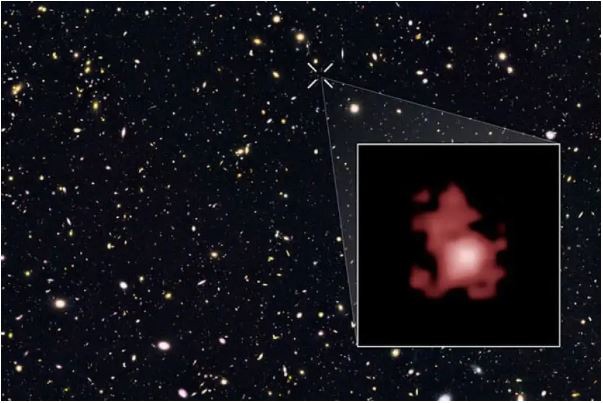
Its light travels across such an extreme gulf that it takes 14 billion years to arrive here. This alone affirms that our investigation can reach at least that far into the past.
But here comes the strategic insight: 99.9985 percent of those 14 billion years passed before humans ever appeared. Humanity entered the story in the cosmological equivalent of the last few seconds. So how do we witness the birth of the universe?
To do that, we have to liberate ourselves from the constraints of time and engage every piece of knowledge that helps reconstruct the truth of creation.
Lets Start !
There’s a discipline that has enabled humanity to reverse-engineer the universe’s earliest moments. We call it science, and within science there is a pivotal field known as cosmogony — the study of the universe’s birth.
This very discipline empowered human beings to make a breakthrough in 1964, a breakthrough so foundational that Arno Penzias and Robert Wilson were awarded the Nobel Prize.
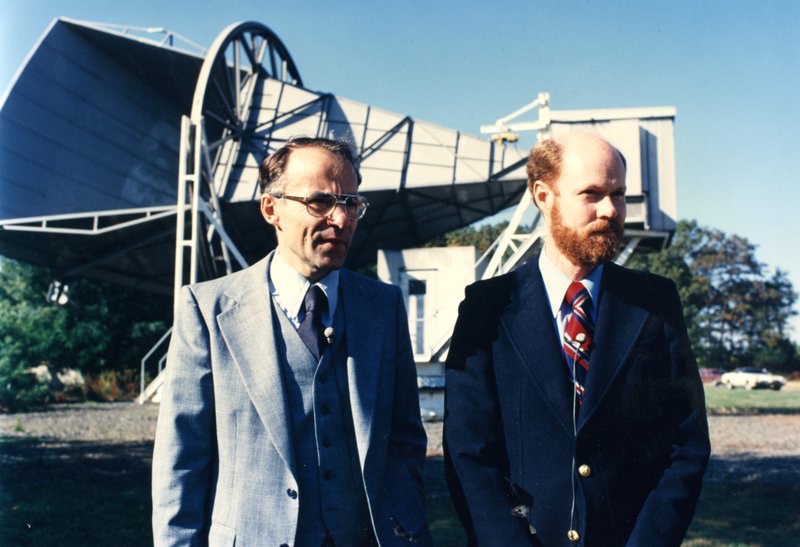
They discovered a strange radiation spread throughout space. It came from nowhere specific — not from any star, not from any planet, and not from any constellation. It was simply everywhere.
This energy behaved like the lingering echo of a colossal event — a massive expansion that shook the entire cosmos billions of years ago. They named it the Cosmic Microwave Background (CMB).
Today we understand it as evidence of the Big Bang — the moment when the skies, the earth, and everything between them existed as one unified entity before being torn apart by an unimaginable force.
But this discovery introduced a new challenge, known globally as the Horizon Problem.
In some regions of the universe, this ancient radiation extends 46 billion light years across, while in others it stretches only 0.3 million light years. The implication is uncomfortable: it suggests that light may have traveled at different speeds in different regions of the early universe, something that contradicts every known law of physics.
Light, by definition, travels at approximately 300,000 km/s. It shouldn’t vary.
If it did, time itself would pass differently in different regions. And that pushes the boundaries of what modern science can reconcile. After all, science in its current form is only a few centuries old.
Which is why our journey cannot rely on modern knowledge alone. To see the full picture, we must also revisit the intellectual heritage of ancient civilizations.
That brings us to an event from 173 years ago,
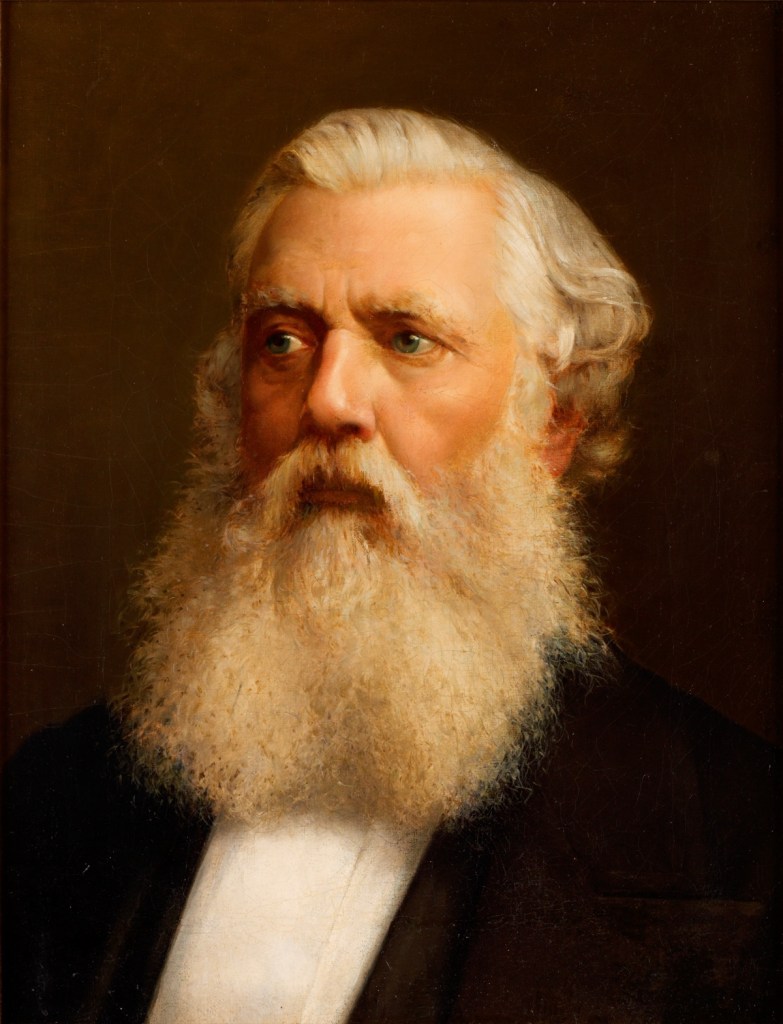
in 1849, when archaeologist Austen Henry Layard uncovered clay tablets in Nineveh,
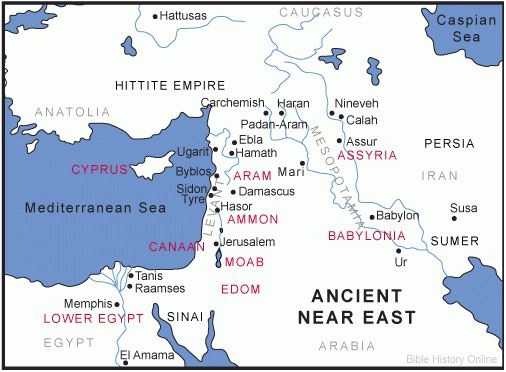
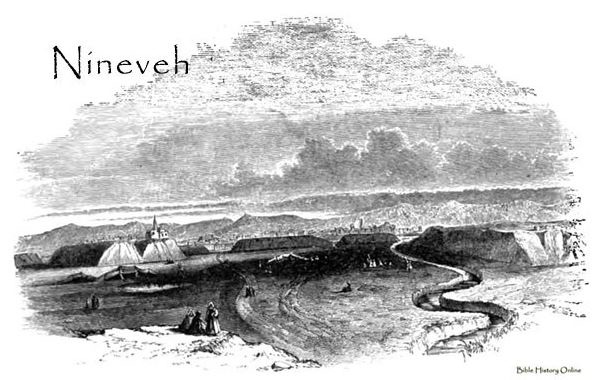
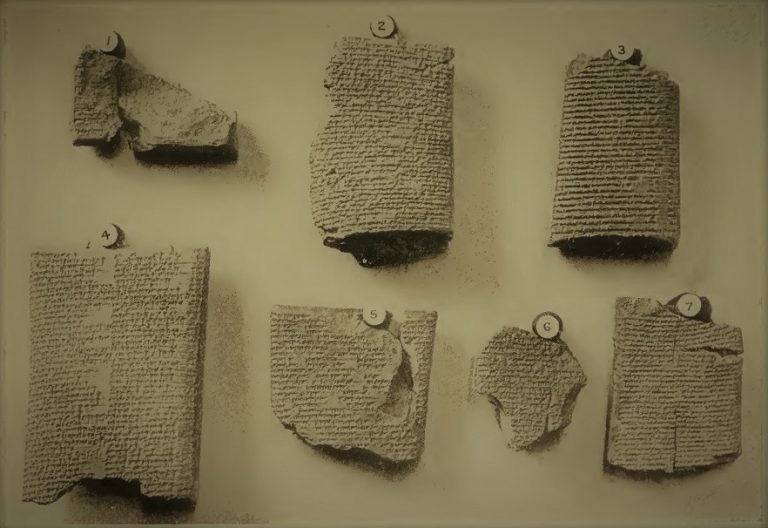
inscriptions created thousands of years earlier.
He named them Enuma Elish, a set of seven tablets written 3,500 years ago, containing humanity’s earliest recorded narrative of the universe’s creation.
These tablets describe a time when there was no sky, no earth, no trees, no marshes — only water. No humans existed, and no destiny had yet been written. It was then, they said, that a command from God was issued.
Across 1,000 lines of ancient text, one theme appears consistently: water existed before everything. The tablets also reference an eternal garden, the creation of humans, the descent of the soul from the heavens, and a concept translated into Greek as logos — meaning “that which was said.”
It signifies that when God intended to create something, He said something. Yet the tablets remain silent about what was said.
This first chapter sets the stage. In the coming parts, the journey will expand through history, science, scripture, and finally the Qur’an — an integrated view of how everything began and where it is headed.
 2 Minute Worlds
Leave a comment