Echoes from the First Civilizations
So let’s move toward another milestone in humanity’s earliest memory — a civilization that predates the others, reaching back 5,000 years into history: the Sumerians.
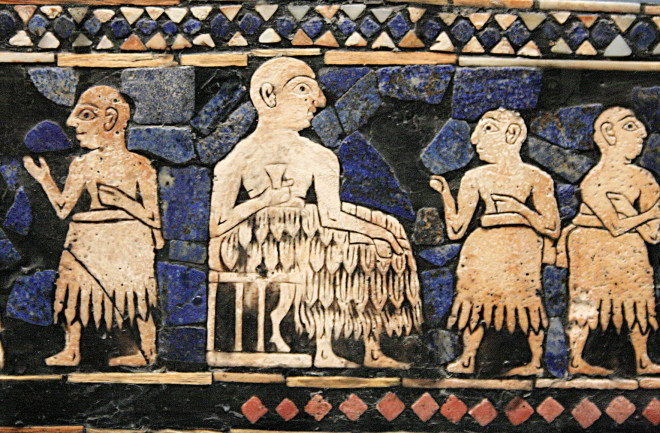
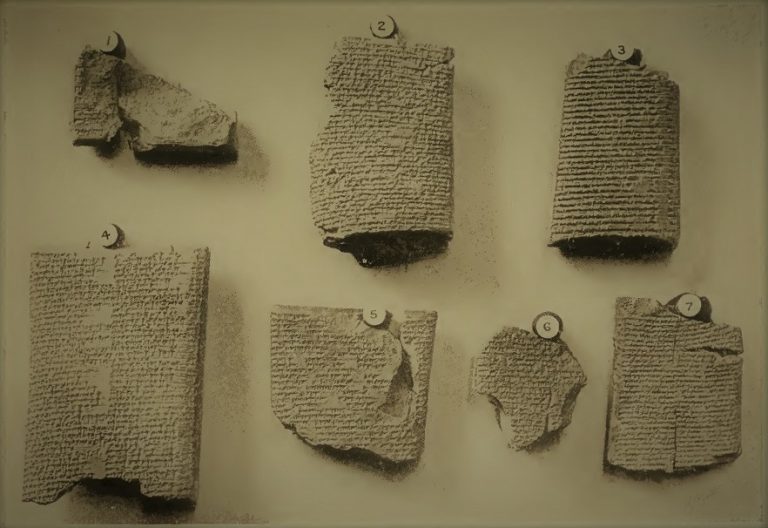
Long before empires rose across the Middle East, the people of Sumer chronicled their understanding of existence on clay tablets. They wrote of a supreme being called Nammu, an eternal presence who brought the skies and the earth into being from the great waters.
And it would be strategically shortsighted to underestimate the Sumerians. They represent the earliest civilization known to us, and the modern world still operates on foundations they built. The first written text, the first clock, the first irrigation systems, and even the earliest geometric frameworks were innovations born in Sumer.
But two civilizations alone cannot complete the picture. So the journey extends to ancient Egypt, a superpower of its time, thriving 3,000 years ago.

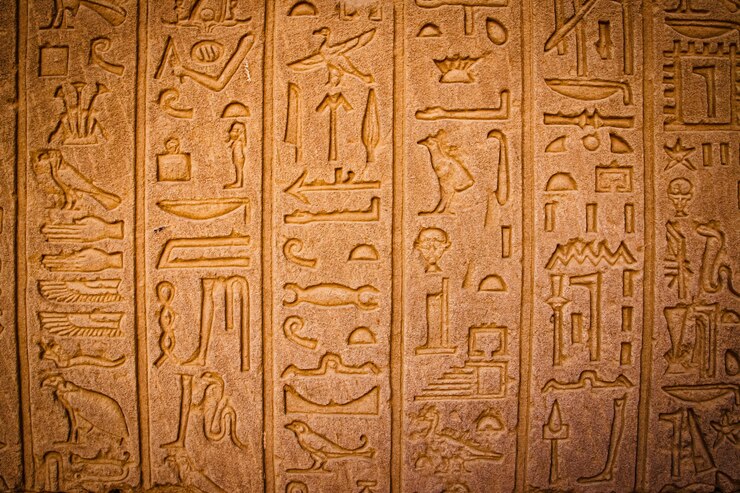
Their records speak of Nun, the primordial force that created the skies and earth from a vast storm-filled ocean, an ocean concealed entirely within darkness.
The Greeks entered the narrative 2,300 years ago with their own cosmological signature. They described creation emerging from a dark, watery abyss they called Okeanos.
A critic might suggest these civilizations lived close enough to influence one another, their timelines overlapping and their ideas intermixing. To pressure test that assumption, the journey travels far across the world to a people with no historical or cultural ties to the Middle East or the Mediterranean: the Aboriginal communities of Australia.
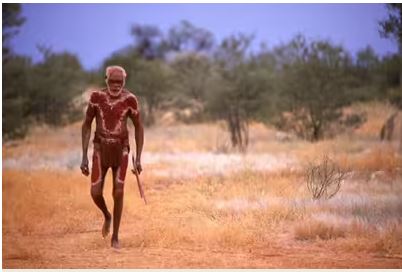
According to their ancient memory, there existed a solitary lord of all souls who was alone before creation. He formed the light and infused the earth with life.
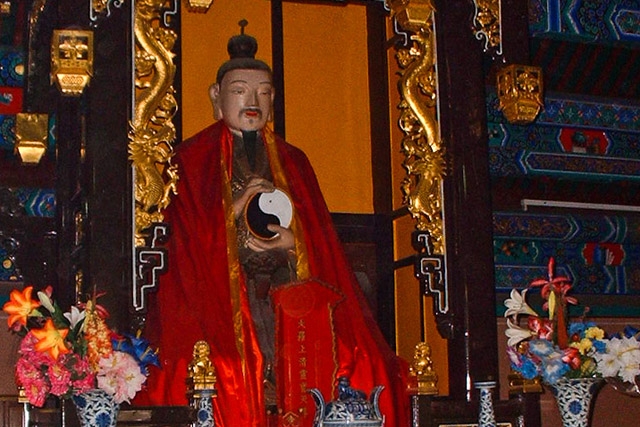
Even farther east, Daoist mythology in China describes a God who separated massive waters, established the mountains in their place, and executed the architecture of creation through divine knowledge and spoken command.
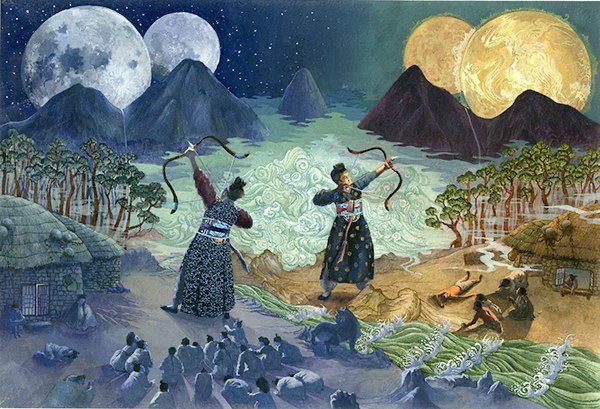
And in Korean mythology, the narrative of Cheonjiwang reflects the same structural idea — the skies and the earth were once unified, before being separated by a higher force in the distant past.
A Global Chorus of Origins
With most regions explored, only two continents remain. Their ancient memories add the final global threads before the story pivots toward its next strategic layer.
From West Africa, the Mande tradition speaks of a supreme power who existed alone before bringing creation forth from water. Moving to Central Africa, Yoruba mythology presents the same core architecture: a mighty being, solitary in the beginning, shaping everything from the primordial waters.
The journey then crosses the Atlantic to the ancient peoples of the Americas.

Among the Cherokee, one of the notable Red Indian tribes, the earliest stories describe the skies and earth emerging from water. Across the Pacific, isolated in the heart of the ocean, the Hawaiian traditions echo this same motif — creation unfolding from waters, structured in seven days.
And in Europe, far from the Pacific islands and African savannas, Finnish tradition preserves the account of Vainamainen, who fashioned everything from water.
At this point, a pattern becomes impossible to ignore. These cultures lived thousands of miles apart and thousands of years removed from each other. Their narratives formed independently, yet their core statements consistently aligned.
Still, within these mythologies were elements impossible to accept — the earth tied with golden chains in African legends, or in the Finnish account where a crow assists Vainamainen in building the universe. The earth is not bound by any chains, and the formation of the cosmos was never the work of a bird.
So, by filtering out these embellishments and focusing on the structural similarities, one insight emerged across every civilization:
A mighty force called God, alone at the beginning, creating everything from water, often within six or seven days.
It seems the message traveled across continents, delivered through different groups in different eras, yet carrying the same core content and the same source.
This reinforces a global truth: alongside science, there exists another vast domain of knowledge — one that 85 percent of the planet subscribes to in some form. That domain is religion.
But this prompts the next critical question: Which religion?
More than 3,000 religions exist today, and each one positions itself as the correct path. So the next phase of our journey will review major religions and the oldest philosophical frameworks to understand how they address the origins of creation.
 2 Minute Worlds
Leave a comment