Major Religions and the Search for Consistency
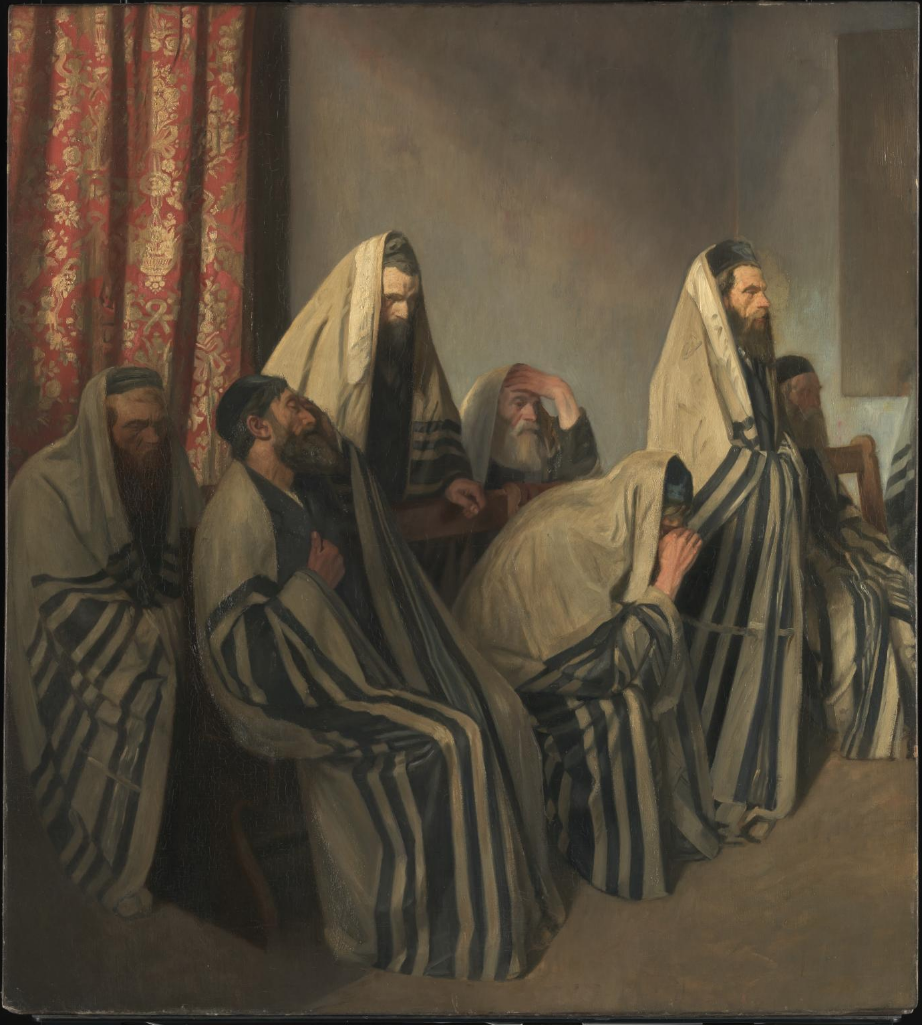
Judaism, one of the oldest surviving faith traditions, presents a creation story anchored in the idea of a flat earth resting upon water, with paradise above the sky and hell beneath the ground.
Christianity, today the largest religion in the world, also attributes the creation of the universe to God, but frames it within a cosmos where the sun, stars, and planets revolve around the earth, all brought into existence only six and a half thousand years ago. According to this narrative, the Creator rested on the seventh day.
Then comes the Greek worldview,
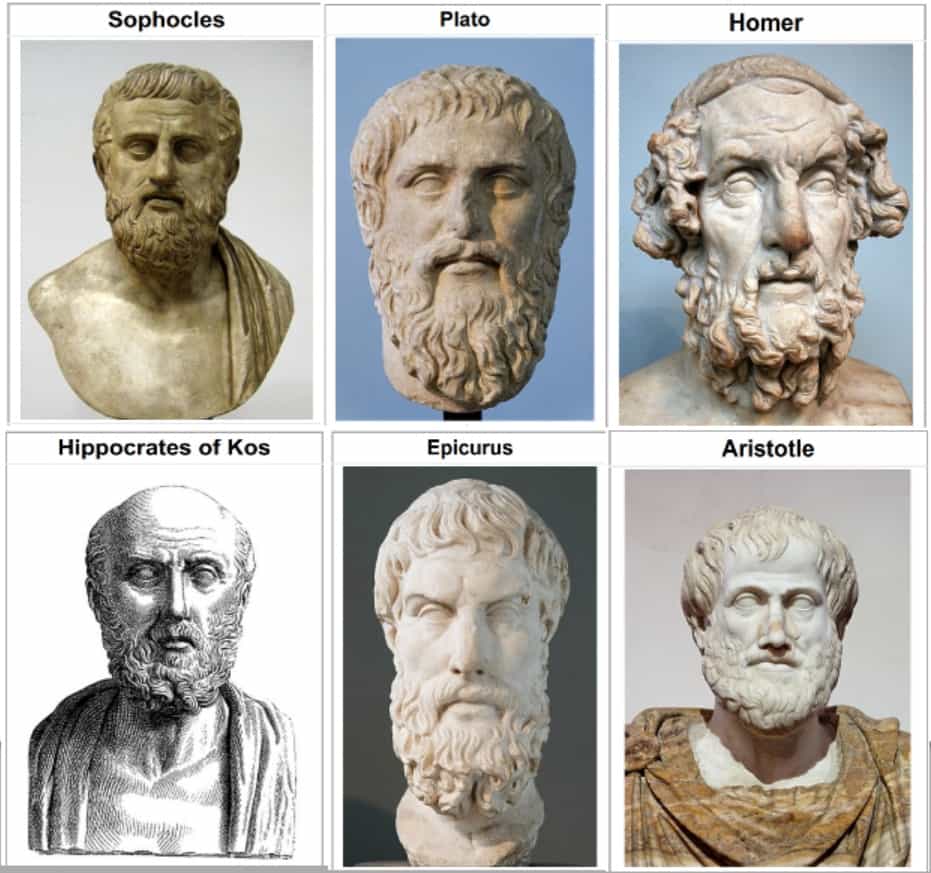
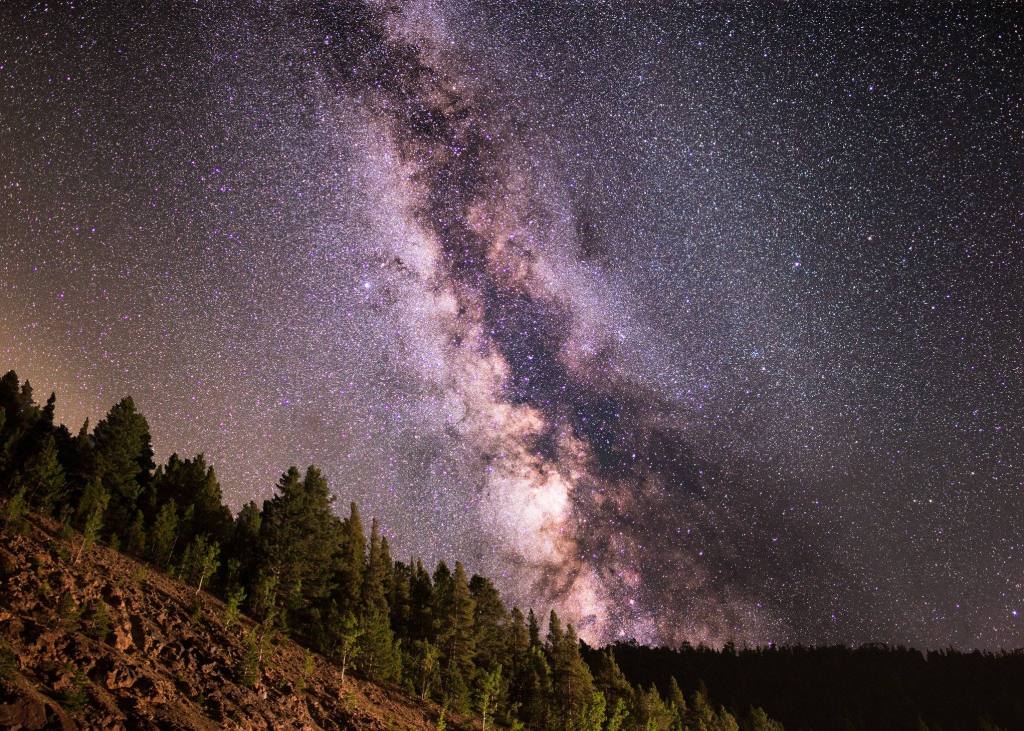
a two-and-a-half-thousand-year-old philosophy that still echoes across disciplines. The Greeks, too, believed in a divine origin of the universe, yet their mythology describes a goddess named Andromeda soaring across the heavens, her spilled milk forming a glowing starry trail.
Interestingly, even today, we still call that galactic river “The Milky Way,” a name inherited directly from their imagination.
On the other end of the spectrum stand Hinduism, Buddhism, and Jainism. These ancient systems propose that the universe has no beginning and no end, existing eternally without a starting point or final moment.
But a closer look brings clear tensions. If the Judaic model were accurate, dawn and dusk would arrive everywhere on earth simultaneously, because a flat world cannot host different time zones.
And with more than 4,550 satellites orbiting the globe, the spherical nature of the planet is visible beyond debate.
If the Christian timeline of six to seven thousand years were precise, light from GN-Z11 — a galaxy so distant that its light has traveled over 13 billion years — would not have reached us. Even more puzzling is the idea of an all-powerful God needing rest after creation. Added to this is a practical challenge: the existence of many different versions of the Christian scriptures, each with variations. Which version would qualify as the definitive truth?
If Greek mythology were literally true, who spilled milk across the billions of other galaxies, each one a colossal congregation of stars? And if Hindu, Jain, and Buddhist teachings were correct in insisting that the universe has always existed, why are galaxies racing away from one another at staggering speeds? Our own Milky Way alone moves at 2.1 million km/hour, and anything moving in space must have had a beginning.
At this stage, it becomes evident that these religions and philosophies, despite their contributions, carry limitations. Their early messages may have aligned at certain points, but time, transmission, and human interpretation altered much along the way.
This brings us to a religion that stands apart through a distinctive claim: Islam.
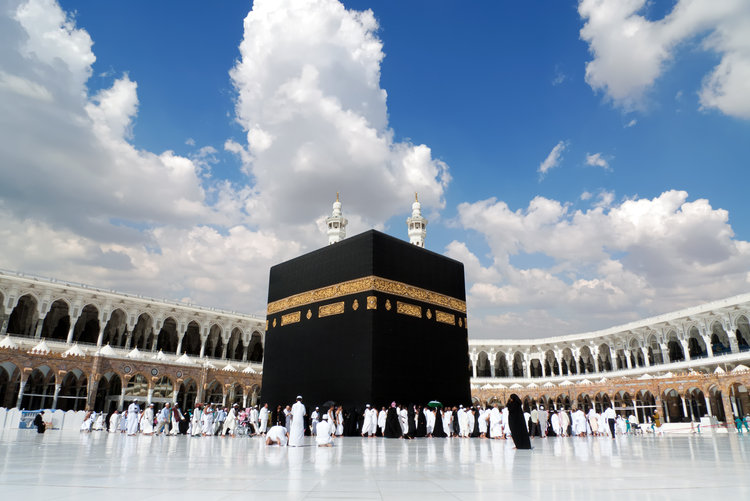
About fourteen centuries ago, it emerged in Arabia and expanded across the region within a remarkably short period. Today it is the second-largest religion in the world. Islam, too, presents a creation narrative in its scripture, the Quran. In Surah Hud (11:07):
وَ هُوَ الَّذِىۡ خَلَقَ السَّمٰوٰتِ وَالۡاَرۡضَ فِىۡ سِتَّةِ اَ يَّامٍ وَّكَانَ عَرۡشُهٗ عَلَى الۡمَآءِ
“Allah is the one who created the skies and the earth in six days and (before that) His throne was on the waters.”
This message mirrors the ancient global theme of creation emerging from water, yet the Quran differentiates itself with a direct proclamation at its very beginning. Surah Al-Baqarah (2:02):
ذٰ لِكَ الۡڪِتٰبُ لَا رَيۡبَ ۛۚ ۖ فِيۡهِ ۛۚ
“It is a Book in which there is no doubt.”
Such a declaration invites examination, especially for those seeking clarity in a universe filled with competing claims. Another notable distinction is that the Quran has only one version across the entire world: one scripture, one text, one claim.
To broaden the picture, the teachings of Muhammad bin Abdullah (S.A.W) on creation also offer insight. In Sunan Ibn Majah 182, Abu Razeen reports asking the Prophet (S.A.W):
“Where was our God before the creation of everything?”
The Prophet (S.A.W) replied: God existed independent of time and space, with nothing above or below Him, and then He created His throne upon the water.
This sets the stage for the next phase of the journey, where these claims will be examined with the same rigor applied to every other worldview encountered so far.
 2 Minute Worlds
Leave a comment