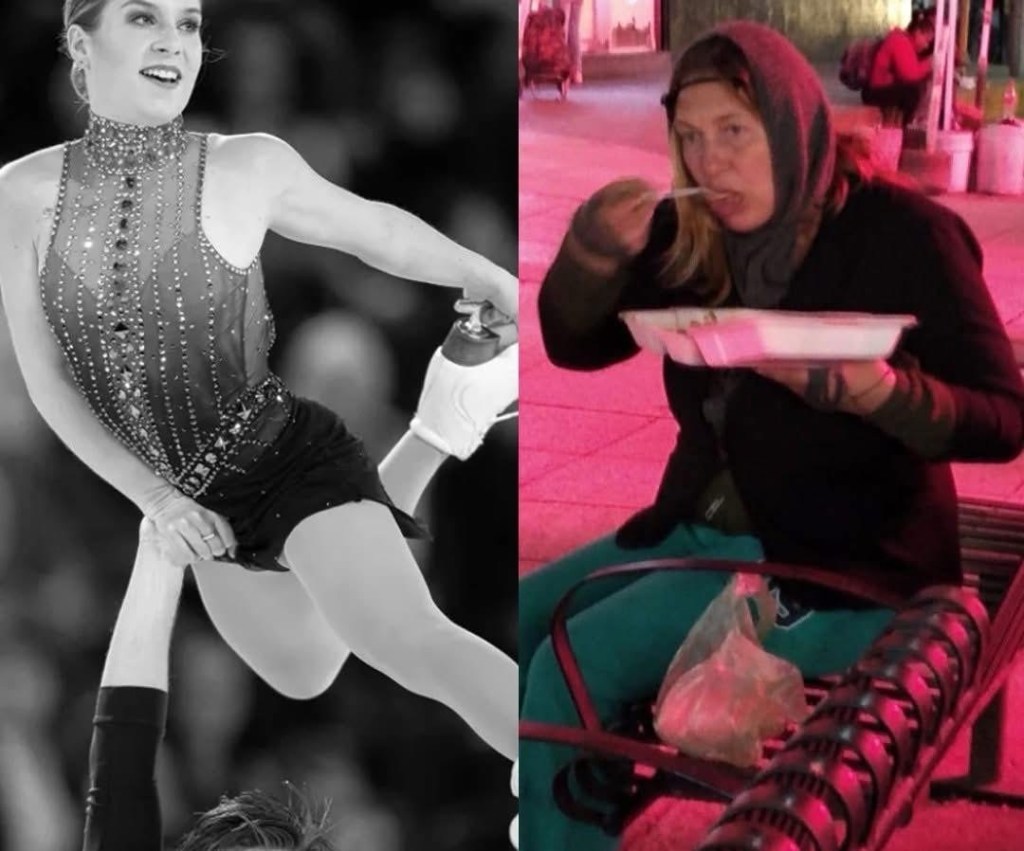
In the 1990s, Elena Golyakova was like a fairy with blades on her feet.
People clapped. People sighed.
Some even swore they’d seen her fly, though she never left the ice.
Then, in 2000, she and her coach-husband Nikolai packed their Russian winter into two suitcases and dragged it all the way to Monterrey, Mexico — a city that had never met ice, let alone a ballerina skating on it.
They opened a skating academy.
Kids stared at the cold white floor like it was a UFO landing pad.
Elena spun.
The kids laughed.
It was magic for a while.
But magic has an expiry date, like milk in the fridge.
The academy closed.
Nikolai left.
Divorce papers — the kind of choreography no one rehearses for.
By 2010, the doctors had a name for what was happening in her head: paranoid schizophrenia.
Elena had other names for it: whispers, shadows, walls that moved when no one was watching.
She tried explaining in Russian, in English, but people only heard static.
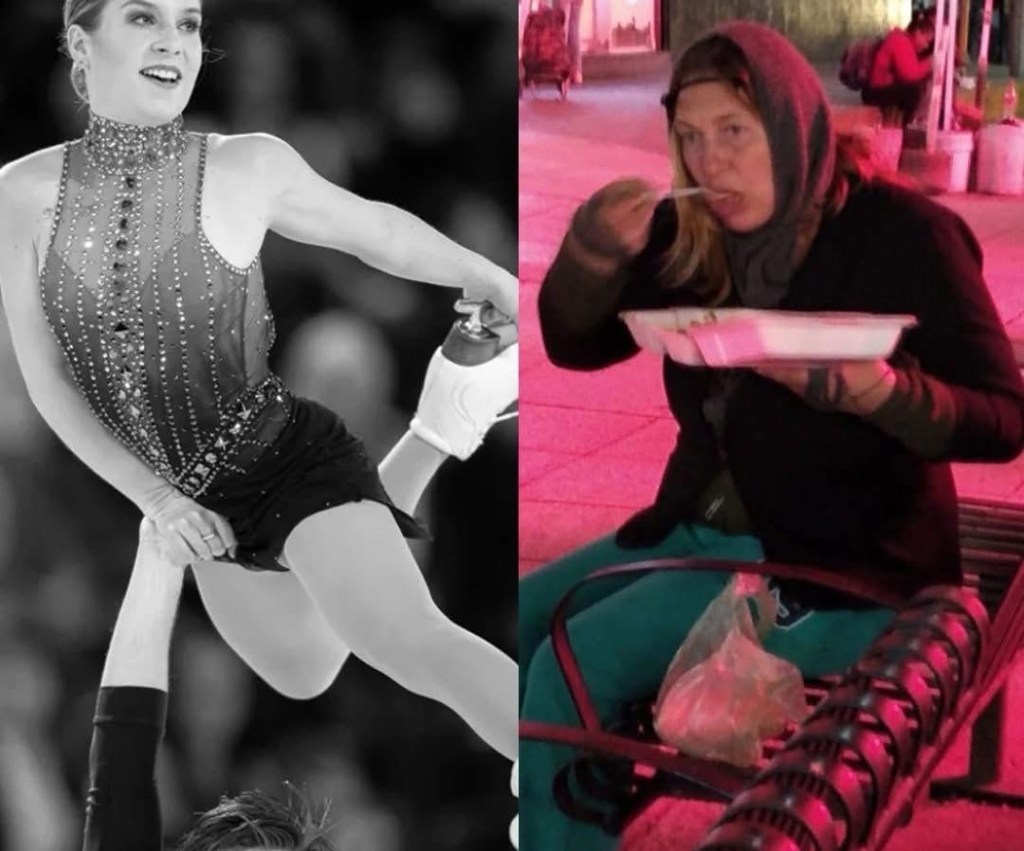
Now, if you go to Tepatitlán, Jalisco, you might see her pushing an old cart.
Inside: a cracked mirror, a broken radio, two cats, and a dog that looks like it borrowed someone else’s ears.
She mutters while walking, a stream of Russian poetry and English curse words, as if Shakespeare and Dostoevsky had started bickering in her brain.
Sometimes kind strangers try to help.
They offer food, blankets.
She stares at them like they’re ghosts, then runs.
Maybe she thinks they’ll steal her pets. Maybe she just doesn’t trust applause anymore.
Once she was a princess on ice.
Now she’s a woman with a cart.
And if you squint, really squint, you can still see her gliding —
not on ice, but across cracked Mexican sidewalks,
as if the performance never ended, only changed its stage.
 2 Minute Worlds
Leave a comment