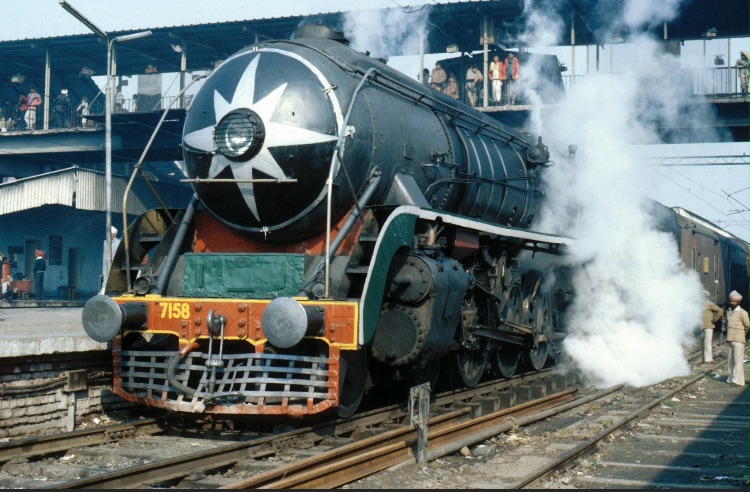
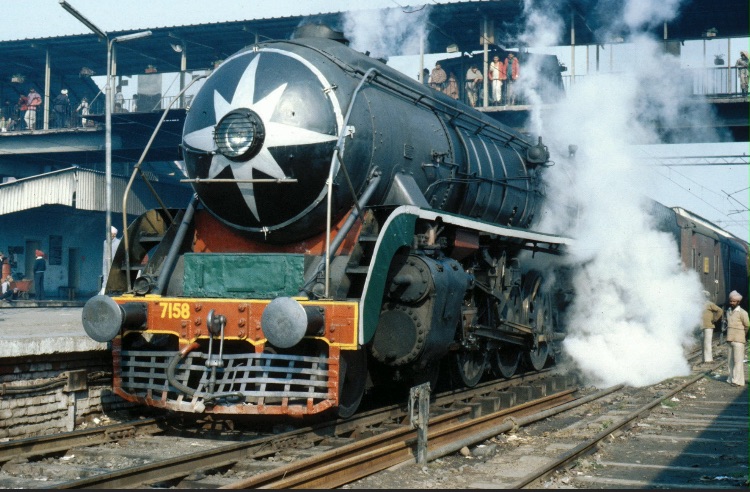
When the first train came to India, people said it was haram.
Not because it killed anyone. Not because it was unsafe.
Because it was invented by Jews and Christians.
So for ten years, give or take, people kept bumping along on horses and camels, sweating under the sun, while the trains glided by empty.
Then one day, a group of clerics had to get from Bombay to Madras. Long road, bad weather, aching knees.
Some kid — probably with too much confidence — said, “Take the train. You’ll be there in no time.”
They looked at each other. Looked at the sky. Climbed aboard, like thieves sneaking into someone else’s house.
And nothing happened.
No lightning, no divine punishment, no secret plot to steal their souls. Just a quiet ride, tea served in cups, scenery rolling by like a dream.
By the time they reached Madras, they’d changed their minds.
“Fatwa withdrawn,” they said, as if pressing a delete button.
Ten years lost to stubbornness — erased with one train ticket.
It wasn’t new.
When Hulagu Khan was outside Baghdad sharpening his sword, scholars inside were debating how many angels could sit on the tip of a needle.
The city burned before they reached an answer.
Later, when loudspeakers showed up in mosques, they were called haram too.
Now you can’t find a mosque without them. Even the ones who banned them use them.
And still, someone always says learning science is dangerous. That looking through a telescope is competing with God.
As if Newton or Einstein ever said, “Bow to me. Kiss my hand.”
They didn’t even shave for the photo.
Meanwhile, other nations turned trains into rockets, speakers into satellites, while we kept arguing about whether to get on board.
 2 Minute Worlds
Leave a comment