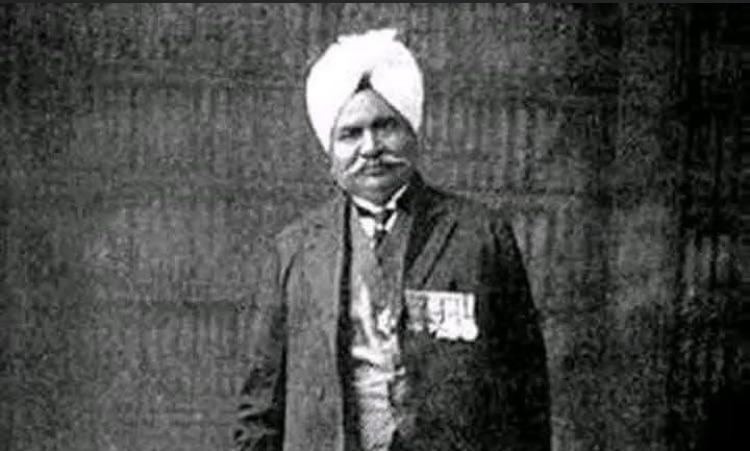
The crowd turned ugly fast. They threw whatever they could grab—sticks, stones, even curses heavy enough to break glass. Someone smeared tar on Sir Ganga Ram’s statue. Another man, more inventive, strung old shoes together and climbed up to hang them around the neck of a man long gone.
Before he could finish, shots rang out. He fell. Bleeding. They carried him to a hospital. Not just any hospital—Sir Ganga Ram’s hospital.
I imagine Sir Ganga Ram somewhere in the hallway, not angry, just tired. Watching the man who tried to humiliate him now lying on a stretcher. Maybe he sighs, maybe even smiles, and says to the nurse, Take care of him. Do it properly.
Because that’s who he was. A man who built things. Not just buildings—though he built plenty of those: Lahore Museum, the Post Office, schools, colleges, hospitals. He even dug canals so farmers could grow more food. He spent his own money to make strangers’ lives better.
When he died in London in 1927, his ashes couldn’t decide where to go. Half floated away in the Ganges. Half stayed in Lahore, by the Ravi. Even in death, he refused to take sides.
Now his name lives on in two hospitals—one in India, one in Pakistan. And the man with the shoe necklace? No one remembers him. But the hospital’s still here, healing anyone who walks through its doors, no questions asked.
If Sir Ganga Ram ever came back, I don’t think he’d lecture us. He’d probably just ask, Is everything working? Are the taps running clean?
 2 Minute Worlds
Leave a comment