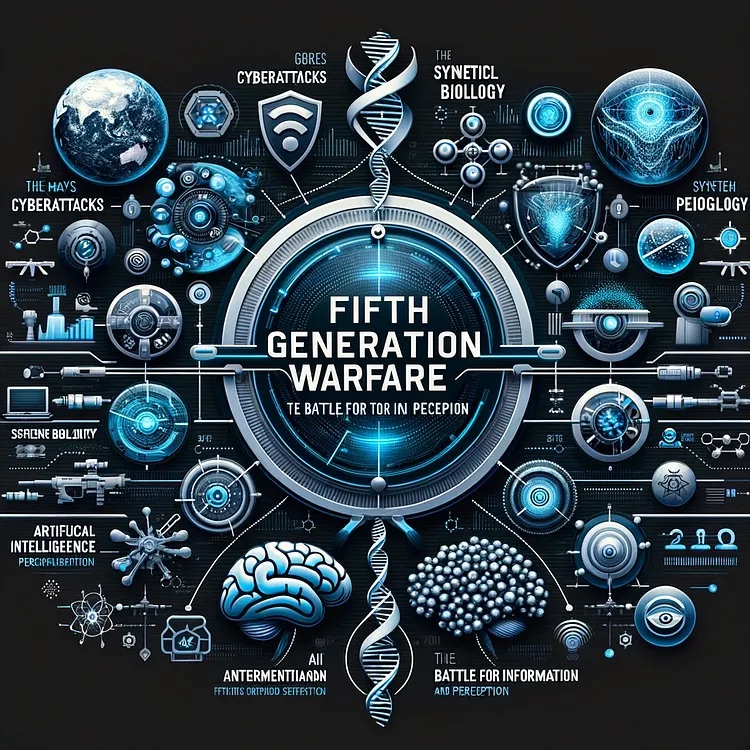
Introduction: The Silent War We Can’t See
Modern conflict has evolved beyond borders, battlefields, and armies. The new frontline runs through minds, screens, and conversations. This invisible conflict is known as Fifth-Generation Warfare (5GW) — and Pakistan has been a prime target since its creation.
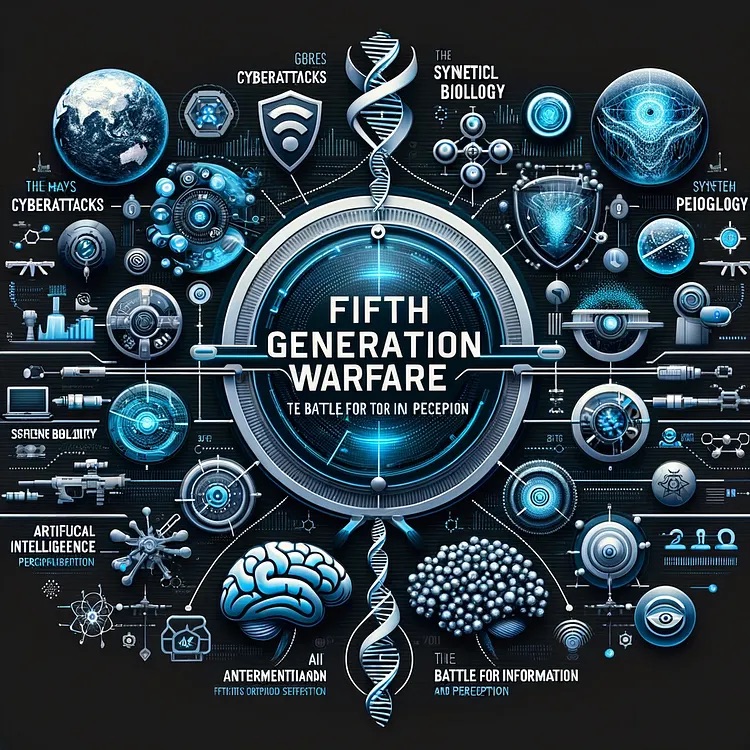
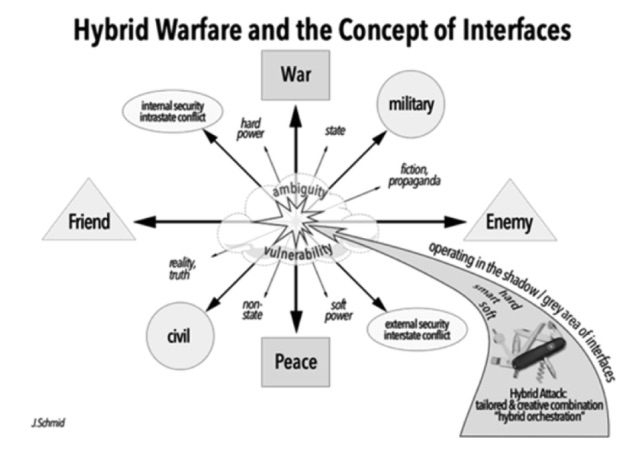
What Is Fifth-Generation Warfare?
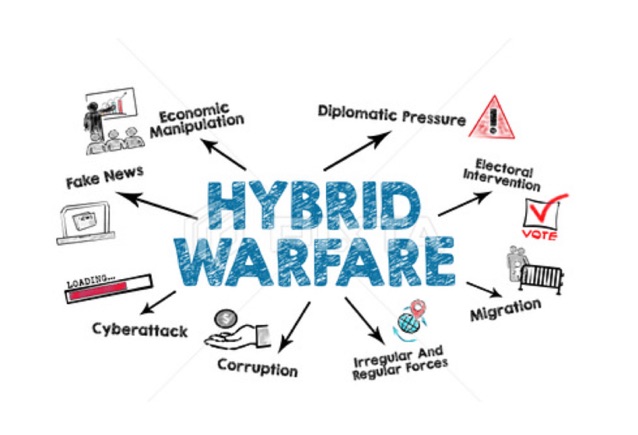
Fifth-generation warfare replaces physical combat with influence-based strategies designed to weaken a state from within. Instead of tanks, the tools are:
• misinformation
• digital propaganda
• proxy networks
• narrative manipulation
• ideological funding
The goal is not territorial conquest; it is psychological disruption and social fragmentation.
Narrative Building: The Engine of 5GW
Narrative building is the most powerful weapon in modern hybrid conflict. It involves:
• slowly shaping public opinion over years
• funding influencers, accounts, and movements
• launching targeted ideological campaigns
• amplifying selective stories and silencing others
This process works like controlled slow-cooking — subtle, sustained, and strategic.
Why Pakistan Is a Strategic Target
Pakistan’s geography is among the most important in the world. Multiple global powers view control or influence over this region as a gateway to economic and strategic dominance. This is why narrative warfare against Pakistan has been continuous, from the breakup of East Pakistan to present-day campaigns.
Tactic 1: Digital Saturation with Anti-Pakistan Narratives
With a larger population and stronger economy, adversarial networks can outnumber Pakistani voices online. For every one counter-narrative, dozens of hostile accounts aim to drown it out.
Many of these accounts claim to be Pakistani but operate from foreign locations.
Tactic 2: Targeting Balochistan Through Long-Game Strategy
Just as Bangladesh was influenced through psychological operations, similar playbooks target Balochistan today. This includes:
• supporting separatist storylines
• funding anti-state movements
• using tough terrain for terrorist activity
• creating a perception of systematic injustice
Investigations have shown that individuals listed as “missing persons” have sometimes been linked to groups like BLA or TTP.
Tactic 3: Creating Distrust Between Citizens and Institutions
One of the most consistent themes is promoting the belief that state institutions harm their own people. This narrative weakens trust and discourages national cohesion.
Yet counterterror operations are carried out based on intelligence, evidence, and legal frameworks.
Tactic 4: Spreading Provincial Prejudice
By amplifying ethnic grievances, external forces attempt to replicate the Bangladesh model: division from within. Even international entertainment references portraying Balochistan as “separate” feed into long-running psychological operations.
The Foreign Machinery Behind Anti-Pakistan Content

Social media audits reveal that many accounts pushing separatist or hostile rhetoric originate abroad. Even leaders of so-called “freedom movements” operate from foreign safe havens.
Some YouTubers and influencers receive funding to spread specific narratives targeting national institutions.
Understanding the Role of the Pakistan Army
An institution cannot be reduced to individual names. The Pakistan Army represents a nationwide security framework tasked with protecting borders and citizens.
A soldier joins not for wealth but with the belief that he may one day give his life for the nation. Weakening such an institution creates a power vacuum adversaries can exploit instantly.
Disagreement Is Healthy — But the State Comes First
Democracy thrives on differing opinions. Criticizing policies or leaders is part of a functioning society. But elevating individuals above the state or attacking the state itself is dangerous in an active hybrid war environment.
Political systems around the world often resemble monarchies more than democracies — Pakistan included.
The Responsibility of Ordinary Pakistanis
Most Pakistanis have grown up with patriotism in their hearts, yet targeted campaigns attempt to manipulate emotions and sow doubt. Before sharing content from unknown sources, every citizen must ask:
Who benefits if Pakistan becomes unstable?
The threats are real, and the frontlines are invisible.
Conclusion: The Future Belongs to Those Who Understand the Present
Fifth-generation warfare is not coming — it is already here. Understanding this new landscape is the first step toward protecting national unity. While external forces operate from a distance, Pakistani citizens hold the real power to resist manipulation.
Staying informed, staying united, and staying vigilant is Pakistan’s strongest defense.
 2 Minute Worlds
Leave a comment