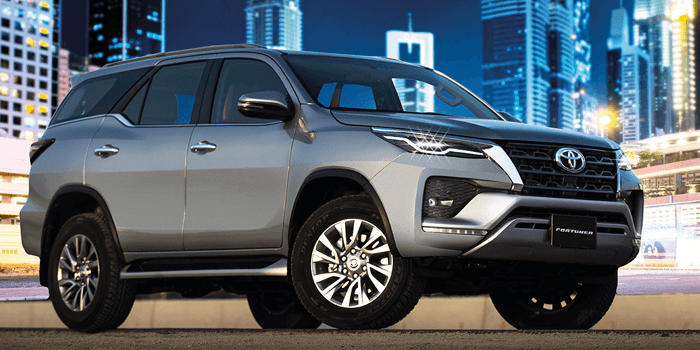
Thinking of buying a Toyota Fortuner in Pakistan? This guide walks you through every major variant, their specifications, typical pricing, and what to expect — good & not-so-good. Use this to pick the right Fortuner for your needs or compare before you head to a dealer.
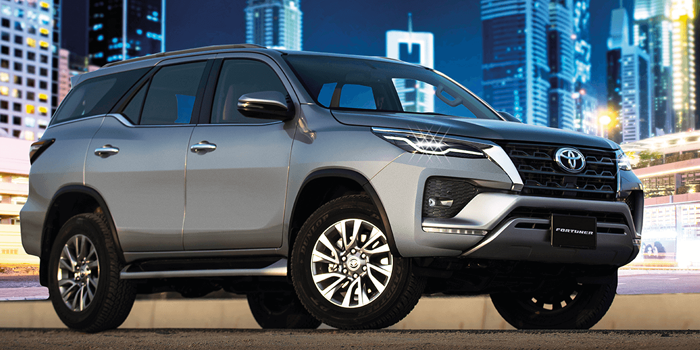
1. Fortuner at a Glance
The Toyota Fortuner remains one of the most sought-after mid-/full-size SUVs in Pakistan — known for its rugged underpinnings, 7-seater practicality, off-road pedigree (on diesel-4×4 trims), and strong resale value. Below are the main variants commonly offered as of 2023–2025, along with price bands and key drivetrain info.
| Variant | Engine | Drive / Transmission | Typical Ex-Factory Price (PKR, Approx.) |
|---|---|---|---|
| Fortuner 2.7 G (Base, 4×2) | 2.7 L petrol | 4×2 / 6-speed AT | ~14.2m – 14.9m |
| Fortuner 2.7 V (Mid, 4×2 or 4×4) | 2.7 L petrol | 4×2 or 4×4 / 6-speed AT | ~15.8m – 17.8m (4×4 higher) |
| Fortuner Sigma 4 (Diesel 2.8, 4×4) | 2.8 L turbo diesel | 4×4 / 6-speed AT | ~17.9m – 18.8m |
| Fortuner Legender (Premium Diesel, 4×4) | 2.8 L turbo diesel | 4×4 / 6- or 8-speed AT | ~18.5m – 19.5m |
| Fortuner GR-S / GR Sport (Top Trim, Diesel 4×4) | 2.8 L turbo diesel | 4×4 / 6- or 8-speed AT | ~19.0m – 20.5m+ |
Note: Ex-factory prices vary by city, taxes, filer/non-filer status, optional accessories, and dealer handling. Always confirm final on-road cost with your dealer.
2. Shared Core Specs & Features
- Seating: 7 (2-3-2 layout)
- Body Type & Chassis: Ladder-frame SUV — robust, rugged, built for durability
- Dimensions (approx): 4,795 mm (L) × 1,855 mm
 × 1,835 mm (H); wheelbase ~2,745 mm
 - Ground Clearance: ~225–230 mm (varies by wheel/trim)
- Fuel Tank Capacity: ~80 litres
- Boot Space: Flexible — 3rd row up/down gives variable cargo (200–500 L approx)
- Safety & Convenience (in many trims): Dual or multiple airbags, ABS + EBD + Brake-Assist, Vehicle Stability Control (on higher trims), hill-start/descend (on 4×4 trims), optional rear-camera / parking sensors (higher trims)
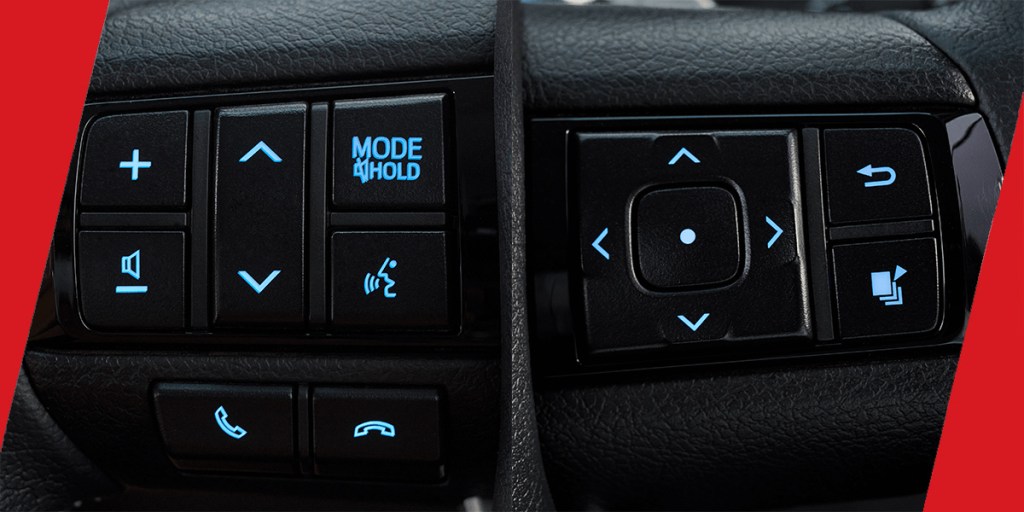
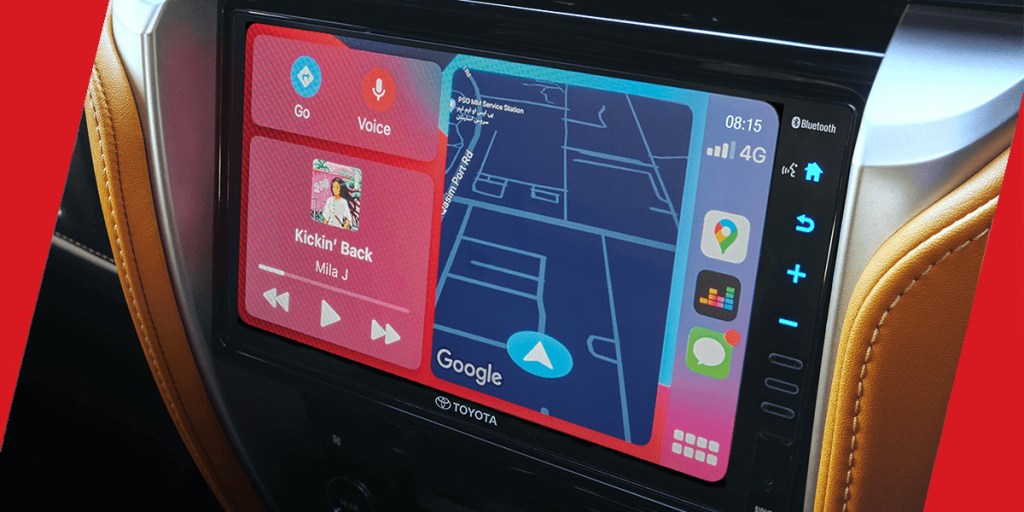
- Infotainment & Comfort: From basic audio/Bluetooth (base) to touchscreen + smartphone connectivity + better interior trim in mid/high trims
- Wheels & Suspension: Alloy wheels (17″ on base, 18–20″ on higher trims), suspension tuned for both city ride and rugged terrain (diesel 4×4 variants especially)
3. Variant-wise Deep Dive
3.1 Fortuner 2.7 G (Base / 4×2)
- Engine: 2.7 L petrol (naturally aspirated)
- Power/Torque: ~164 hp / ~245 Nm
- Transmission / Drive: 6-speed automatic, rear-wheel drive (4×2)
- Fuel Economy (typical): ~8–10 km/L (mixed driving, city/heavy roads)
- Best For: City or highway driving with minimal off-road, smaller budgets, those wanting Toyota reliability and resale value without diesel maintenance concerns.
- Pros: Lower acquisition cost; simpler maintenance; Toyota’s reliability & resale value.
- Cons: Lower torque (not ideal for towing / rough terrain); higher fuel cost vs diesel; no 4×4 capability.
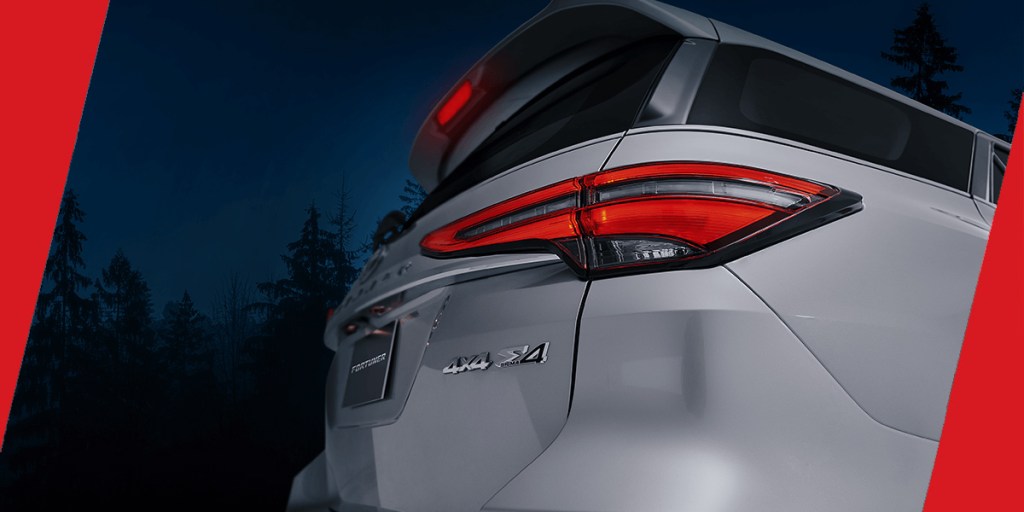
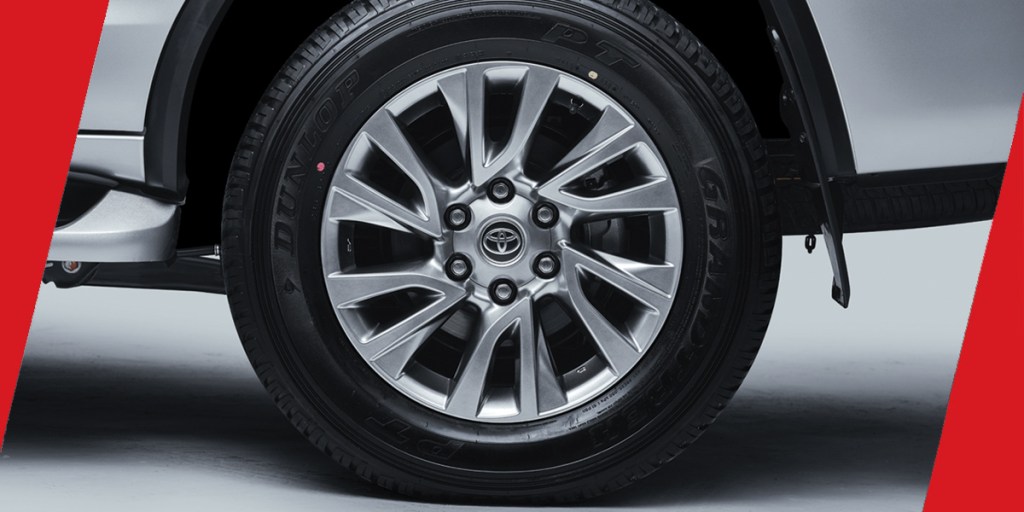
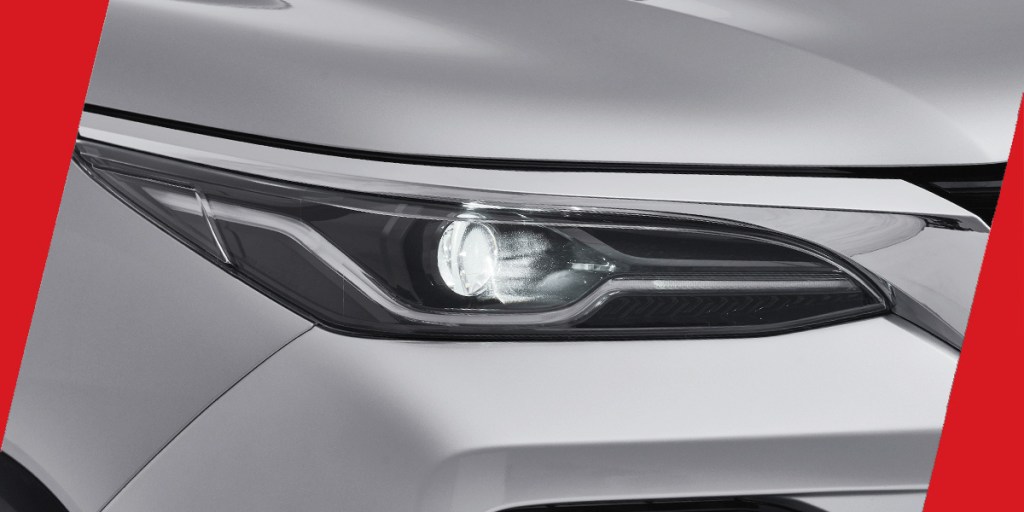
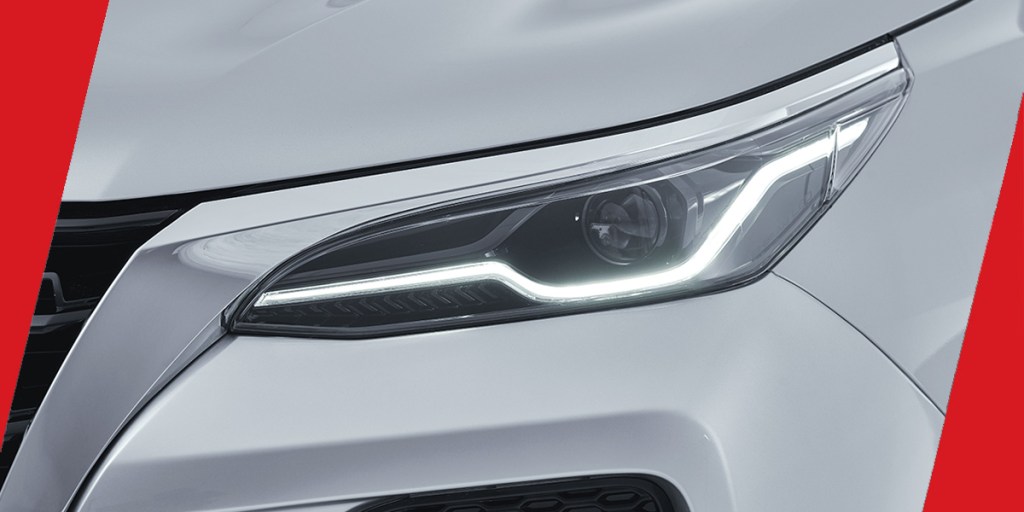
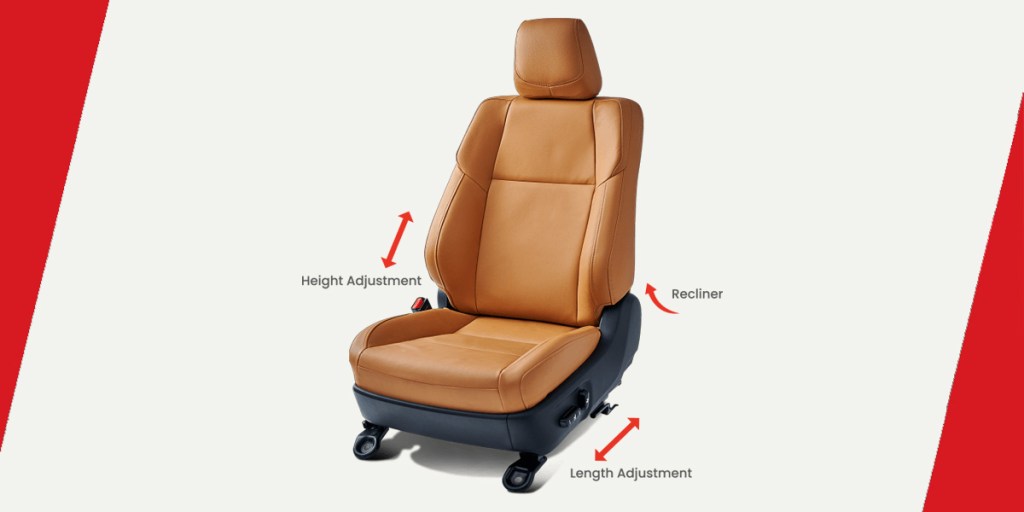
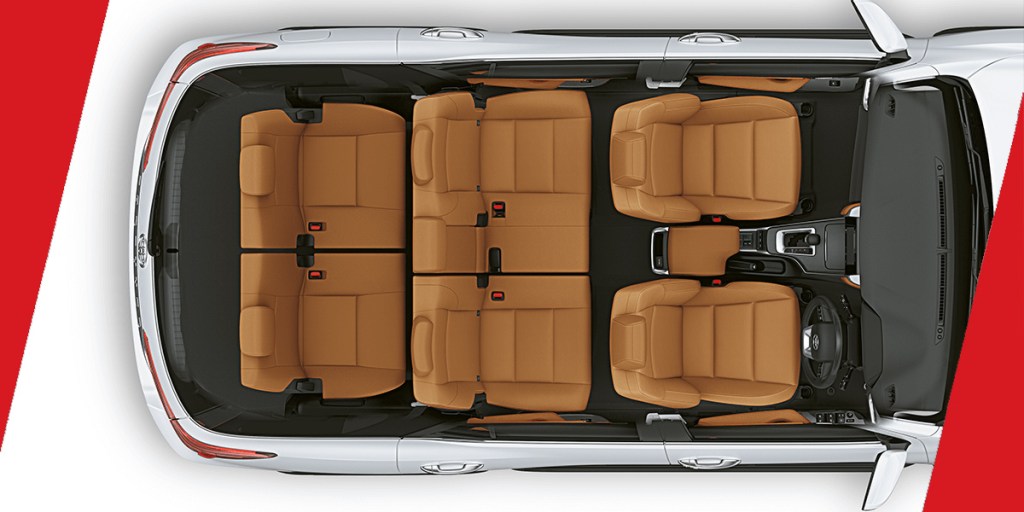
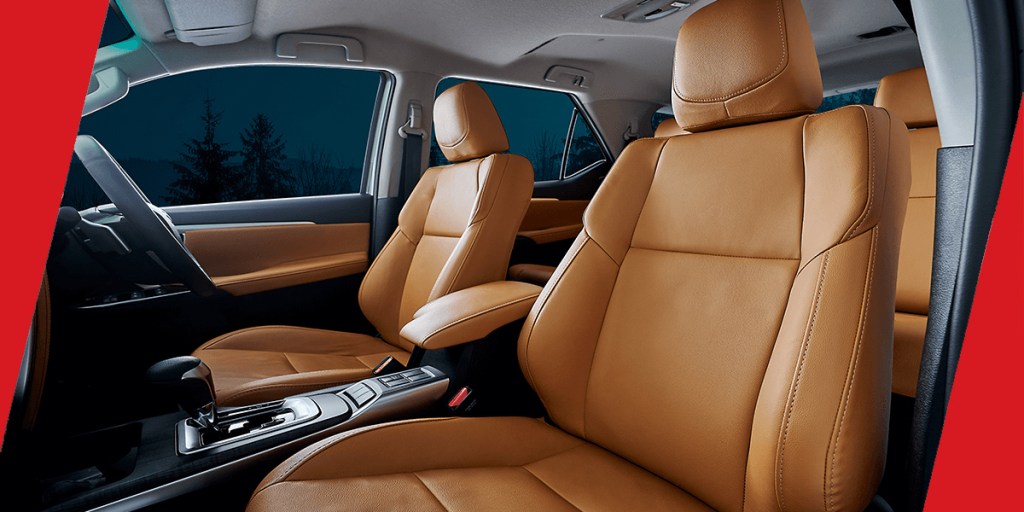
3.2 Fortuner 2.7 V (Mid / 4×2 or 4×4 option)
- Same petrol 2.7 L engine & ~164 hp / ~245 Nm torque
- 6-speed AT; optional 4×4 (on selected trims) with added traction and low-range capability
- Improved comfort & features vs base — better AC, improved interior trim, possibly better infotainment and safety options depending on year/trim
- Ideal For: Those who want petrol simplicity but sometimes take rough roads — occasional AWD utility without diesel complexity.
- Pros: Flexibility (city commuting + occasional AWD use); balanced buy-in cost; mid-level features.
- Cons: Torque still modest; petrol fuel costs; 4×4 adds running/maintenance cost burden if used.
3.3 Fortuner Sigma 4 — Diesel 2.8 / 4×4
- Engine: 2.8 L turbo-diesel (1GD-FTV)
- Power & Torque (typical): ~200–204 hp, ~500–550 Nm (actual local output may vary slightly; estimate based on international spec)
- Transmission / Drive: 6-speed automatic (some trims global spec 6AT or 8AT), full 4×4 with low-range — “Sigma 4” package
- Fuel Economy (typical): ~9–12 km/L on highway / mixed runs (diesel often more efficient than petrol over long use)
- Best For: Heavy load, towing, long-distance travel, off-road or mountainous terrain — serious utility users.
- Pros: Great torque & pulling power; better for towing/long trips; better diesel economy on long haul; rugged & capable 4×4 build.
- Cons: Higher cost; diesel maintenance slightly more involved; possible slightly higher NVH (noise/vibration) vs petrol; diesel fuel & care required.
3.4 Fortuner Legender (Premium Diesel / 4×4)
- Same 2.8 L diesel + 4×4 setup as Sigma 4, with added premium touches.
- Extras & Upgrades: Upgraded interior trim, leather (or higher-grade) upholstery, larger infotainment or entertainment screens, better wheels/tires/appearance, more comfort & convenience options compared to base diesel variant.
- Best For: Buyers wanting Fortuner’s strength with a more refined, upscale feel — a “daily-drive + bad-road + comfort” balance.
- Pros: Premium feel, presence on road, more comfort/amenities, retains full off-road & diesel strength.
- Cons: Higher cost for cosmetics & comfort rather than utility; maintenance & fuel cost remain as standard diesel 4×4; resale demand slightly more sensitive to “used condition / cosmetics”.
3.5 Fortuner GR-S / GR Sport (Top Trim — Diesel 4×4, Sport / Premium Focus)
- Diesel 2.8 L, full 4×4 with 6- or 8-speed AT (depending on trim / global-spec updates)
- Sport / Premium Add-Ons: Special body kit / styling, unique wheels, sport-tuned suspension (depending on region), upgraded interior trim & features (infotainment, safety, cosmetic upgrades), GR badging, possibly better braking or chassis tuning (market dependent).
- Best For: Buyers who want maximum presence, a sporty/modern look, top trim-features, and full diesel-SUV capability — perhaps for both city prestige and long travel / rough roads.
- Pros: Top-trim comfort + sport aesthetics, strong resale among premium-SUV buyers, full diesel / 4×4 capability, and bragging rights / status value.
- Cons: Highest cost among Fortuner variants; some trade-offs in ride comfort if suspension is sport-tuned; fuel / maintenance cost similar to diesel SUVs; depreciation on cosmetics (scratches / wear) matters more than base models.
4. How to Choose — Short Decision Matrix
| Your Priority / Use Case | Recommended Variant |
|---|---|
| Budget-conscious, mostly city / highway use | 2.7 G (4×2) |
| Balanced petrol + optional AWD for occasional rough/rough roads | 2.7 V (4×2 / 4×4) |
| Frequent rough terrain, heavy loads, towing, long distance travel | Sigma 4 (Diesel 2.8, 4×4) |
| Comfort + presence + 4×4 diesel capability (family + long travel) | Legender (Diesel 4×4) |
| Luxury-SUV image + diesel-SUV capability + top trim features | GR-S / GR Sport (Diesel 4×4) |
5. Buyer’s Checklist — What to Confirm When You Go to a Dealer
- Ask for the exact variant code, VIN & spec sheet — Toyota sometimes changes interior/feature packages across model years. Ensure what you see matches what you pay for.
- Get a full quote: ex-factory price + registration + taxes (filer/non-filer) + dealer fees + accessories — final on-road price will differ from sticker price.
- For diesel & 4×4 trims: check service history, suspension, off-road history (if used), and component wear (turbo, transmission, differential) if buying used.
- Consider fuel, maintenance & insurance cost over long term — big SUV + diesel/4×4 means higher upkeep compared to compact cars.
- If you’re a city-only driver, weigh if the 4×4 + diesel premium makes sense vs a mid-size crossover / smaller SUV.
6. Final Thoughts — Is Fortuner Still Worth It in 2025?
For anyone needing a sturdy, spacious, 7-seater SUV that can handle both city roads and rough terrain — and who values resale, reliability & versatility — the Fortuner remains a top pick. Diesel-4×4 trims (Sigma 4, Legender, GR-S) are ideal for heavy-duty use, long travel or mixed terrain. Petrol-4×2 trims (2.7 G / V) make sense for lighter use and lower running costs. Choose based on your use case and budget. Always buy from a reputable dealer and verify exact trim & spec sheet before finalizing purchase.
Appendix: What Owners Actually Say — Aggregated Customer Feedback on the Toyota Fortuner
Note: The following is an aggregated synthesis of recurring themes found in owner reviews, forum threads, classifieds comments and automotive media — paraphrased and organized for clarity. It is not a collection of verbatim forum quotes but a faithful distillation of common owner experiences and sentiment.
Summary Snapshot
- Overall sentiment: Predominantly positive — owners value reliability, off-road capability and resale value.
- Most praised: Diesel 4×4 torque and durability, 7-seat practicality, Toyota service network and resale retention.
- Most criticized: Fuel consumption (especially petrol variants), city convenience (size/parking), and higher running/maintenance costs for heavy-use diesel 4×4 models.
Top Positive Themes (what owners consistently report)
- Rugged reliability: Owners repeatedly describe the Fortuner as “built solid” and dependable for long highway runs, mountain roads and bad surfaces.
- Practical family SUV: The 7-seat layout, easy cargo reconfiguration and cabin durability are frequently praised by families and frequent travelers.
- Diesel performance: Diesel 2.8-litre 4×4 variants are consistently praised for torque, towing ability and confidence on inclines or loaded trips.
- After-sales & resale: The strength of Toyota’s dealer/service network and the model’s high resale value are cited as major ownership advantages.
- Comfort & equipment (higher trims): Mid and top trims are praised for a comfortable, feature-rich cabin suitable for long journeys.
Top Negative Themes (common owner complaints)
- Fuel economy: Petrol variants are called out for high running costs in stop-start urban driving; even diesel owners note that heavy urban use reduces the diesel economy advantage.
- Urban practicality: The Fortuner’s large footprint causes frequent comments about parking difficulty, tight turns and maneuverability in dense city environments.
- Maintenance surprises (diesel/4×4 use): Owners who use their Fortuners hard (off-road, towing, heavy loads) report higher upkeep costs over time — turbo, drivetrain and suspension components need attentive service.
- Sticker shock & extras: Many buyers highlight that on-road cost quickly exceeds ex-factory price once taxes, registration and dealer accessories/markups are included.
Frequent Owner Recommendations (practical advice from the owner community)
- Buy the diesel 2.8 if you regularly tow, carry heavy loads, or travel long inter-city routes — the torque payoff is real.
- If you’re mostly city-based, seriously consider a 4×2 petrol or downsized crossover — Fortuner’s running costs in urban use can be high.
- Keep a documented service history and follow scheduled maintenance — this preserves resale value and prevents costly repairs down the line.
- Budget for extras at purchase: registration, taxes (filer vs non-filer impacts), insurance and common dealer accessories will increase initial outlay materially.
- Test drive your exact trim under realistic conditions (city traffic, parking, and a loaded highway route) before committing.
Actionable Buying Checklist (based on owner pain points)
- Confirm exact variant and full factory spec sheet at the dealer; get it in writing.
- Ask for a complete on-road quotation itemizing taxes, registration, and dealer fees.
- If buying used, request full service records and ask about any heavy off-road or towing use.
- Check local service centre capacity for diesel/4×4 repairs; know the nearest authorised Toyota workshop that can handle major jobs.
- Plan a one-year ownership budget: fuel (estimate km/L × km/month), scheduled servicing, tyres and insurance.
Short FAQ (owner-centred)
- Q: How many km per litre can I expect? A: Real-world ranges vary: petrol 2.7 typically 8–11 km/L mixed; diesel 2.8 typically 9–13 km/L on longer runs. Urban driving lowers these numbers. Treat these as conservative planning figures.
- Q: Is the Fortuner good for daily city use? A: It’s usable, but many owners prefer smaller SUVs or crossovers for daily urban commuting due to size, fuel and parking considerations.
- Q: Do diesel 4×4 Fortuners need special servicing? A: Yes — turbocharged diesel engines and 4×4 drivetrains require timely checks (turbo, differential, transfer case, clutch). Follow Toyota’s service schedule closely.
- Q: Will Fortuner hold resale value? A: Historically, yes — especially well-maintained petrol/diesel Fortuners retain value strongly in Pakistan’s used car market.
Closing Takeaway — Owner Consensus
Owners converge on a simple idea: Fortuner does what it’s built for. When your priority is durability, seven-seat utility and off-road/towing capability, Fortuner owners report high satisfaction. If your priorities are low running cost, compact city convenience or the absolute cheapest purchase, owners often recommend exploring smaller crossovers instead.
 2 Minute Worlds
Leave a comment