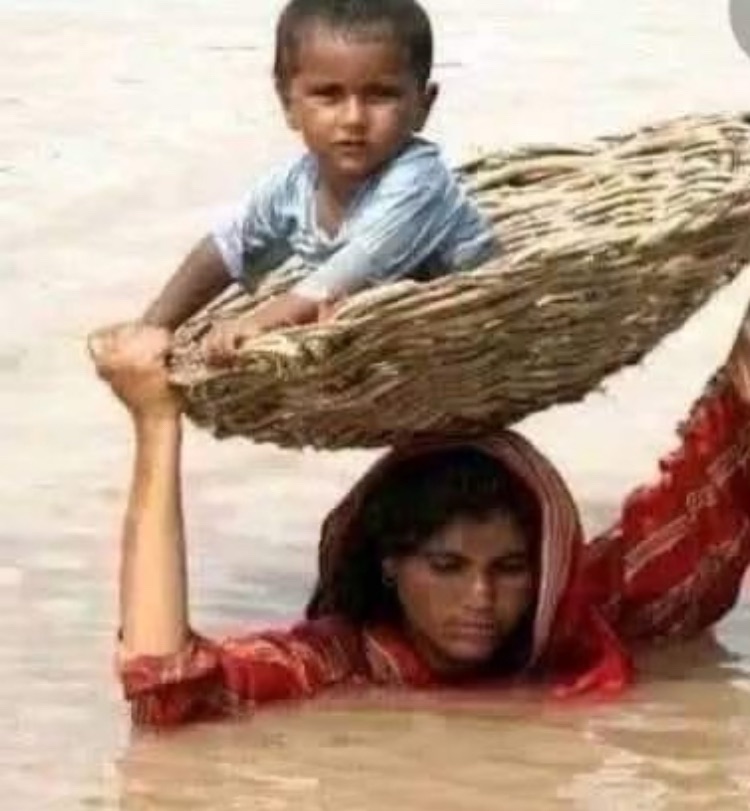
In a certain village, a leopard came at night. Always the huts of the weak. Always the children. The leopard never touched the powerful. Maybe it respected concrete walls, maybe it had better taste.
The powerful comforted the weak. They gave them coins, sacks of wheat, old clothes. They called journalists, posed for photographs, smiled in black-and-white. They even arranged mass repentance prayers in the mosque, as if God ran a customer service line and just needed enough calls to change policy.
Whenever someone asked why they didn’t kill the leopard, the powerful sighed. “We try. We put guards everywhere. But maybe it’s punishment for our sins. Pray harder. Pray better.”
So the weak prayed. They prayed for the leopard to die. They prayed for it to get bored and move to another village. They prayed until their lips cracked. But the leopard loved the easy blood too much. It had developed a taste for it, like a smoker who can’t quit.
Then one night, the leopard snatched a different child—the child of a poor man who knew how to pray with precision. His prayer wasn’t neat or polite. He cried and shouted at the sky:
“O Creator, You made the leopard. You gave it hunger. Its crime is only survival. But You also gave wealth and power to some men here—the kind of power that can trap or shoot a leopard. And they didn’t. So don’t kill the leopard. Kill their illusion of safety. Let them taste the same bite You gave me.”
The next morning, chaos. The leopard had taken the child of the most powerful man in the village.
Within hours, the hunt began. Jeeps. Dogs. Guns polished with panic. The powerful, for the first time, spoke like the weak: “The leopard has grown too bold. It has crossed the line. It has touched us.”
The dogs found it. The men shot it. They dragged its body into the square, hung it upside down, riddled it with bullets long after it was dead. Everyone cheered.
The leopard was gone. The weak never lost another child.
Years later, a stone memorial was built at the village gate. It bore the name of the powerful man’s child, “The Brave Martyr,” with an inscription:
“Through the blessing of his blood, God freed the village.”
People traveled miles to touch the stone, to ask the mother for blessings. No one mentioned the dozens of poor children eaten before. They were not martyrs, just statistics.
And the leopard, somewhere in another universe, probably laughed.
 2 Minute Worlds
Leave a comment