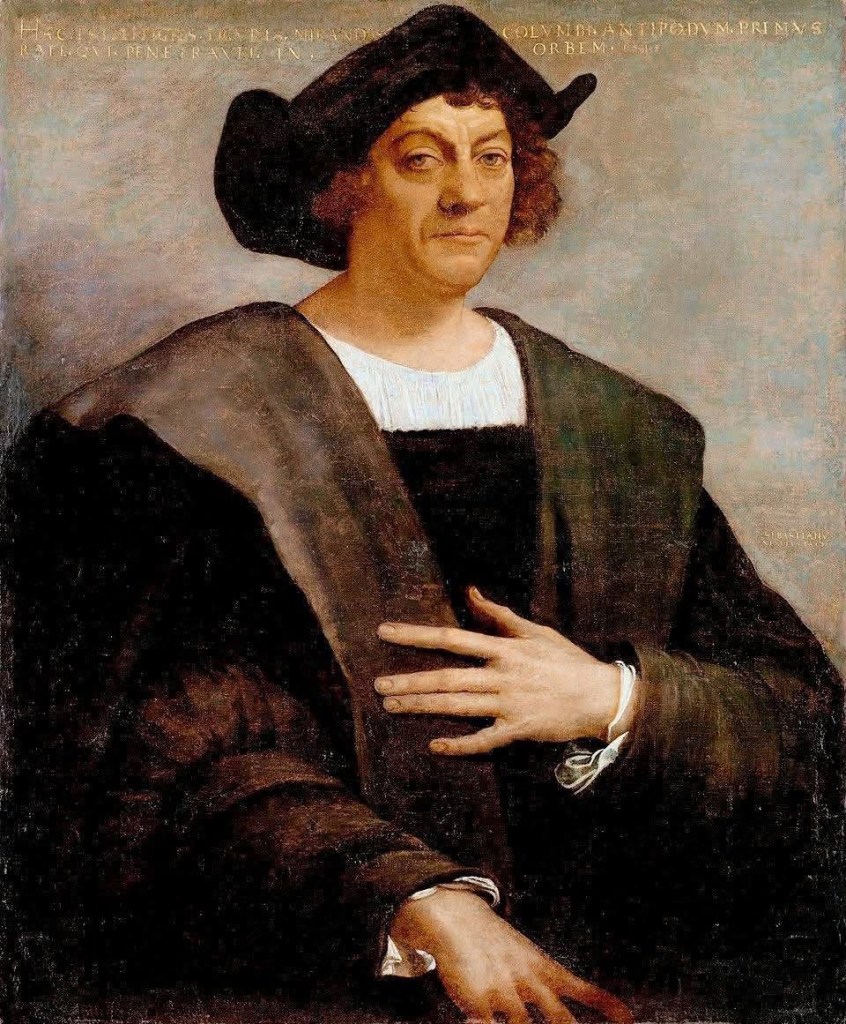
If you ever want to test how elastic truth can be, try stretching open a school textbook. You’ll see Christopher Columbus smiling back at you like a man who just “discovered” your kitchen while you were eating breakfast in it. History books call it a discovery. The Taíno people call it something closer to Christopher Columbus genocide—though few ever ask them.
Columbus didn’t come alone; he brought measles, smallpox, and influenza—viral weapons disguised as accidental souvenirs. These diseases tore through Indigenous communities with such speed that even modern disaster reports would blush. And somehow, this mass dying became a footnote under the heading “European Expansion.”
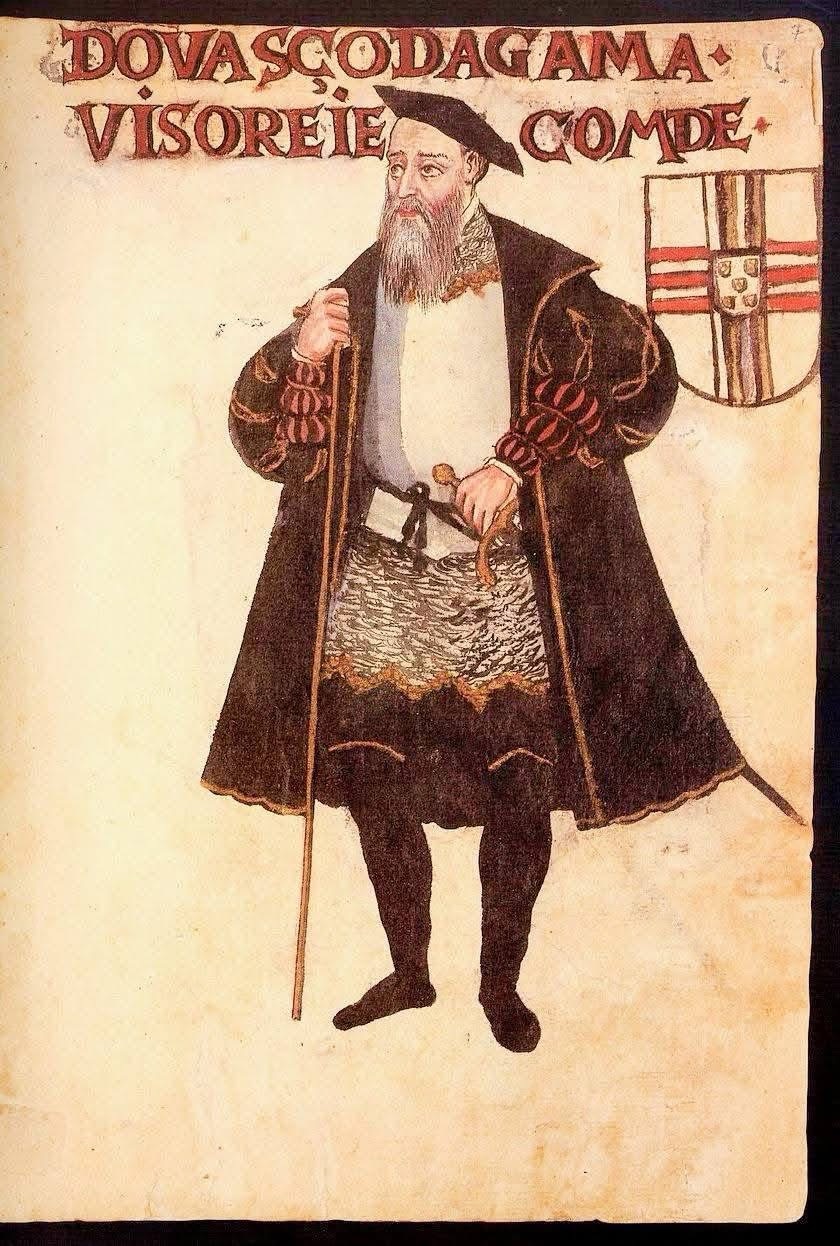
Then comes Vasco da Gama, the maritime executive who arrived in India twice, armed with cannons and ambition. He looted, burned, enslaved, and disrupted trade routes while Europe applauded like shareholders impressed with quarterly results. Many historians politely term this “exploration.” In reality, it was simply Vasco da Gama’s crimes, rebranded.
Ferdinand Magellan joined the franchise too. In India and the Philippines, he enforced Christianity the way a pop-up ad enforces a purchase. Over 2,200 locals were coerced into conversion before Magellan finally died in a battle of his own making—a rare moment when history wrote its own punchline.
Across Australia, New Zealand, and Canada, colonial powers replicated the model with unsettling accuracy: decimate Indigenous populations, strip natural resources, and leave behind an ecological obituary. The Tasmanian tiger, once a ghostlike beauty of Australia, disappeared forever—proof that even nature couldn’t negotiate with European imperialism.
Churches, armies, nobles—everyone blessed the enterprise. Forced conversions continued despite Gospel teachings that explicitly instructed otherwise. But institutional memory has always been selective; it reads contracts, not conscience.
So the pirates became heroes. The victims became margins. And history? It became the world’s most successful rebranding campaign.
 2 Minute Worlds
Leave a comment