In the beginning… there was water.
Three great rivers — the Nile, the Tigris, and the Euphrates — didn’t just carve valleys, they carved civilization itself.
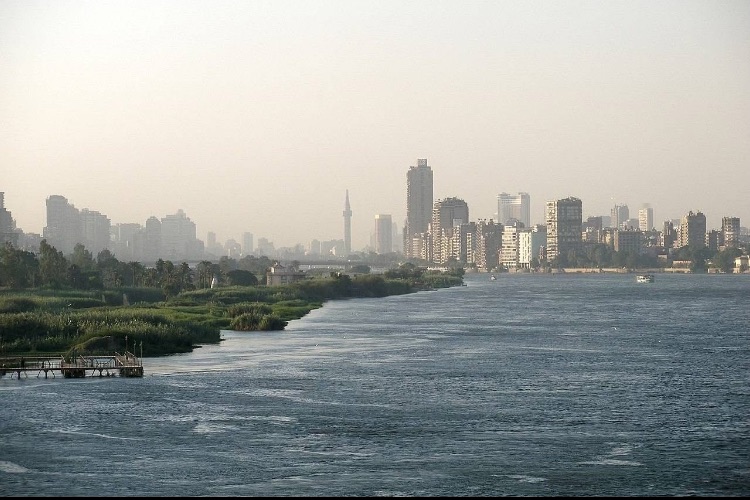
Along the eastern edge of Africa, the Nile became the pulse of ancient Egypt. Each year, its predictable flood swept across the land, leaving behind a gift of rich, black soil. This rhythm of nature was so reliable, so powerful, that it built one of the world’s first great states. Pharaohs rose, pyramids climbed toward the sky, and a calendar of three seasons—Akhet, Shemu, Peret—was born, all dictated by the rise and fall of the Nile. To the Egyptians, the river wasn’t just water. It was a god, a cosmic order, the heartbeat of the universe itself.
But history never stands still. Over centuries, the Nile became a stage for Nubians, Kushites, Arabs, Ottomans, and eventually the modern Egyptian state. In the 1960s, human ambition reshaped it once again. The Aswan High Dam promised control—floods tamed, electricity unleashed, fields watered year-round. But every action has a consequence. Fertile silt no longer reached the farms, fish stocks shifted, and whole communities were displaced. Even today, disputes between Egypt, Sudan, and Ethiopia over the Nile’s waters remind us that the story of this river is still unfolding.
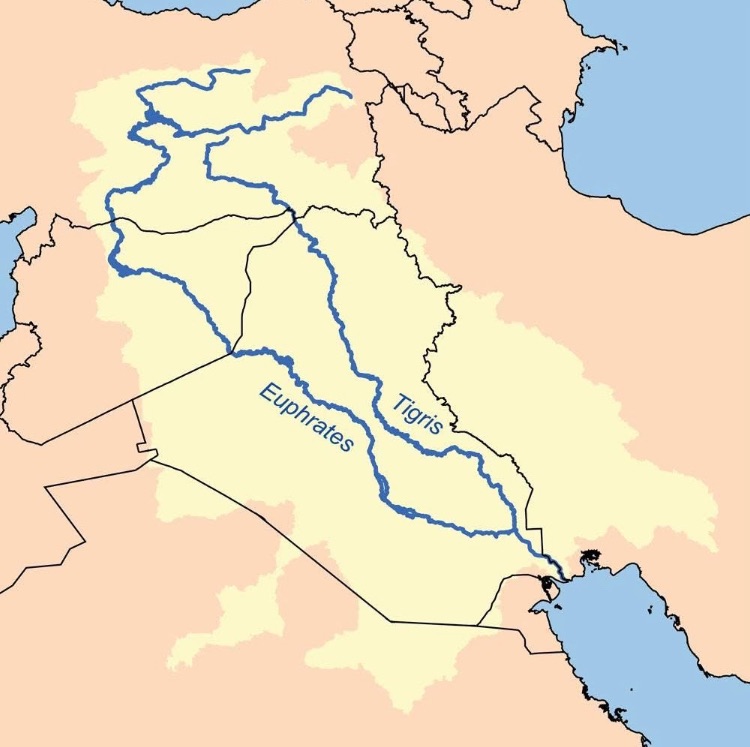
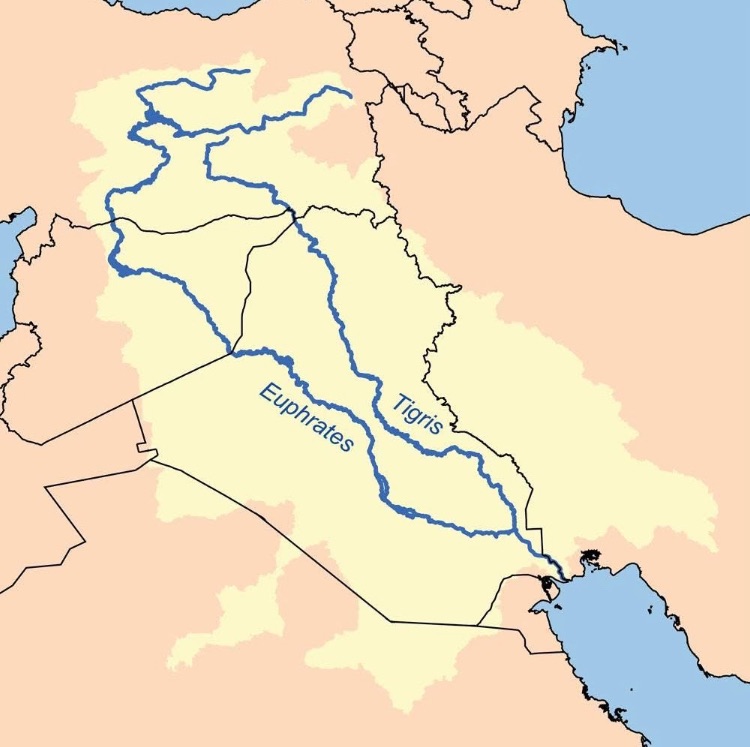
Travel east, and we find another cradle of civilization: the land between the rivers, Mesopotamia. Here, the Tigris and Euphrates flowed not with certainty, but with unpredictability. Their floods were erratic, sometimes life-giving, sometimes devastating. And so, humans responded with ingenuity. They dug canals, built embankments, and invented irrigation systems that would change the world forever. Out of this struggle with nature came cities like Ur and Babylon, the Code of Hammurabi, the first written words in cuneiform, and towering ziggurats that touched the heavens.
But nature’s power could never be ignored. Around 2200 BCE, a sudden drought—what scientists now call the “4.2 kiloyear event”—brought the mighty Akkadian Empire to its knees. Once again, the rivers reminded humanity who was truly in control.
Over millennia, Assyrians, Babylonians, Persians, Greeks, Romans, and Arabs left their mark on this land. Yet even in modern times, the Tigris and Euphrates remain battlegrounds—not of swords, but of dams and pipelines. Turkey’s massive Southeastern Anatolia Project re-routed flows, sparking tensions with Syria and Iraq over farmland, salinity, and survival. The same waters that gave birth to civilization now fuel twenty-first-century geopolitics.
Together, the Nile, the Tigris, and the Euphrates tell us a story as old as time: water is life. But water is also power. When humanity learned to control these rivers, it rose to greatness—but also to fragility.
And in today’s world of climate change, resource wars, and shifting weather patterns, these ancient lessons whisper to us still: the future of civilization may depend, just as the past once did, on how wisely we share the rivers that sustain us all.
 2 Minute Worlds
Leave a comment