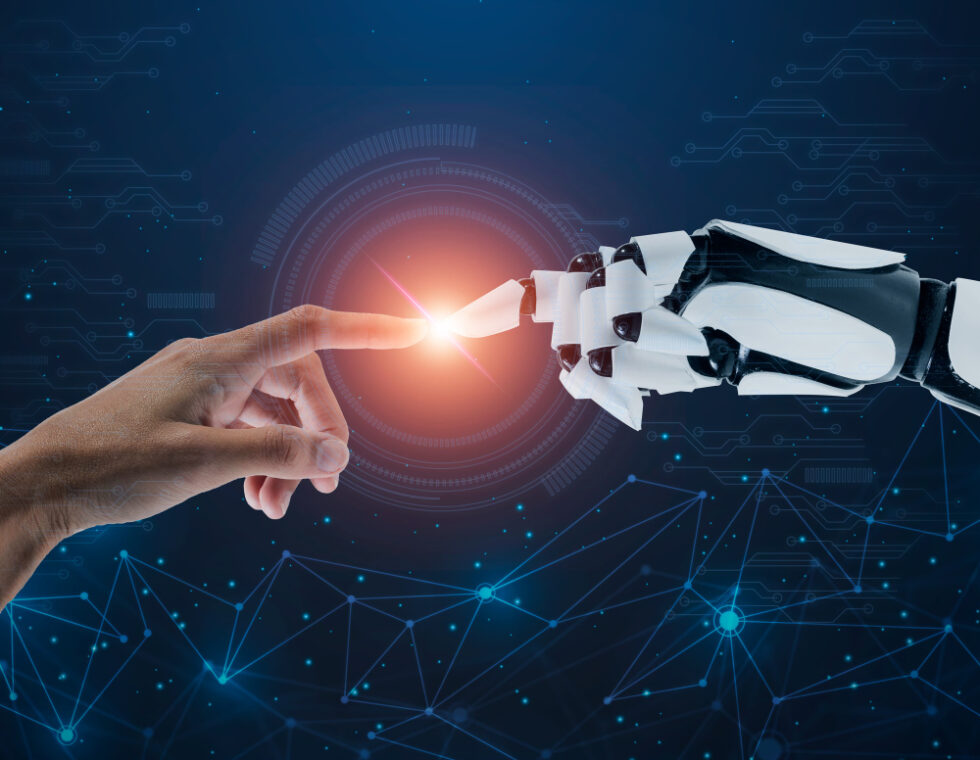
Every time a new machine arrives, the same fear follows it like a shadow: What happens to us now?
Artificial intelligence has revived that old anxiety with new intensity. Headlines warn of automation, replacement, and obsolescence. And so the question spreads quietly from office desks to tea stalls: will AI take our jobs?
History suggests we’ve been here before — more than once.
Fear Is the First Human Response to New Tools
In the early 19th century, textile workers in England smashed mechanical looms, convinced the machines would erase their livelihoods. They were not foolish. They were responding to real disruption. The looms did eliminate certain jobs — and created others that no one could yet imagine.
Later, when computers entered offices in the 20th century, clerks feared replacement. Calculators, spreadsheets, and software took over repetitive work. But entire industries grew around what remained uniquely human: judgment, communication, and creativity.
Artificial intelligence is repeating this pattern — faster, and at a larger scale.
What AI Is Good At (And What It Isn’t)
AI excels at:
- Repetitive tasks
- Pattern recognition
- Prediction based on past data
- Speed without fatigue
AI struggles with:
- Context and moral judgment
- Responsibility
- Meaning
- Intentions
In other words, AI replaces tasks, not purpose.
Jobs built entirely on repetition are most vulnerable. Jobs built on empathy, strategy, ethics, creativity, and trust are far more resilient.
Jobs Don’t Disappear — They Transform
When agriculture mechanized, fewer people farmed — but more people ate.
When factories automated, fewer hands worked machines — but more minds designed systems.
AI is not ending work. It is reshaping what counts as valuable work.
New roles are already emerging:
- AI supervisors
- Data interpreters
- Prompt designers
- Ethics and compliance roles
- Human-AI collaboration specialists
History shows that society rarely runs out of work — it runs out of imagination before it adapts.
The Developing World Question
For countries like Pakistan, the fear feels sharper. Automation threatens low-skill jobs faster than high-income economies can absorb shock. This makes education, adaptability, and digital literacy not luxuries — but necessities.
Yet history again offers perspective. Regions that adapted tools thoughtfully gained leverage. Those that resisted out of fear fell behind.
The real risk is not AI itself.
The real risk is being unprepared.
Skills That Survive Every Technological Shift
Across centuries, certain human skills never go out of demand:
- Learning how to learn
- Communication
- Ethical judgment
- Creativity
- Adaptability
These skills survived the printing press, industrial machines, electricity, computers — and they will survive AI.
The Quran reminds us that “man will have nothing except what he strives for” (53:39). Effort still matters. Intention still matters. Tools only amplify what already exists.
So… Will AI Take Your Job?
The honest answer is this:
AI will take some jobs.
AI will transform most jobs.
AI will create new jobs we don’t yet have names for.
But it will not remove the need for humans to think, decide, care, and take responsibility.
Machines can calculate outcomes.
Only humans can be accountable for them.
The Way Forward
The future of work does not belong to machines or humans alone — it belongs to collaboration.
Those who treat AI as a threat will resist it.
Those who treat it as a tool will shape it.
History doesn’t reward fear.
It rewards those who learn early and adapt thoughtfully.
 2 Minute Worlds
Leave a comment